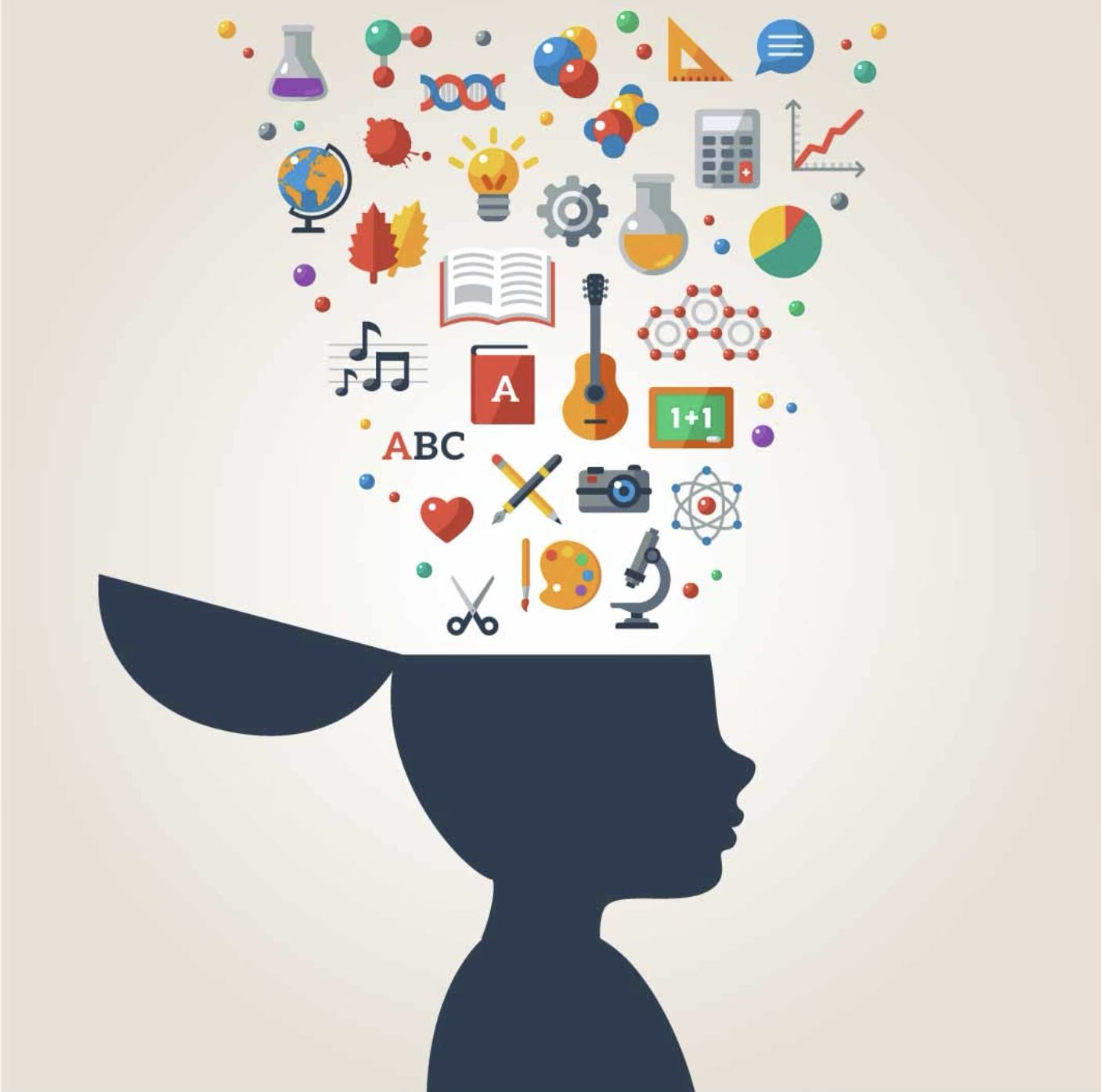
Gardner’s theory of multiple intelligences
In 1983, Harvard psychologist Howard Gardner proposed in Frames of Mind: The Theory of Multiple Intelligences that human intelligence can be understood across several distinct dimensions.
| Eight intelligences | Interests and behaviours you may notice | Applications in skiing and snowboarding |
|---|---|---|
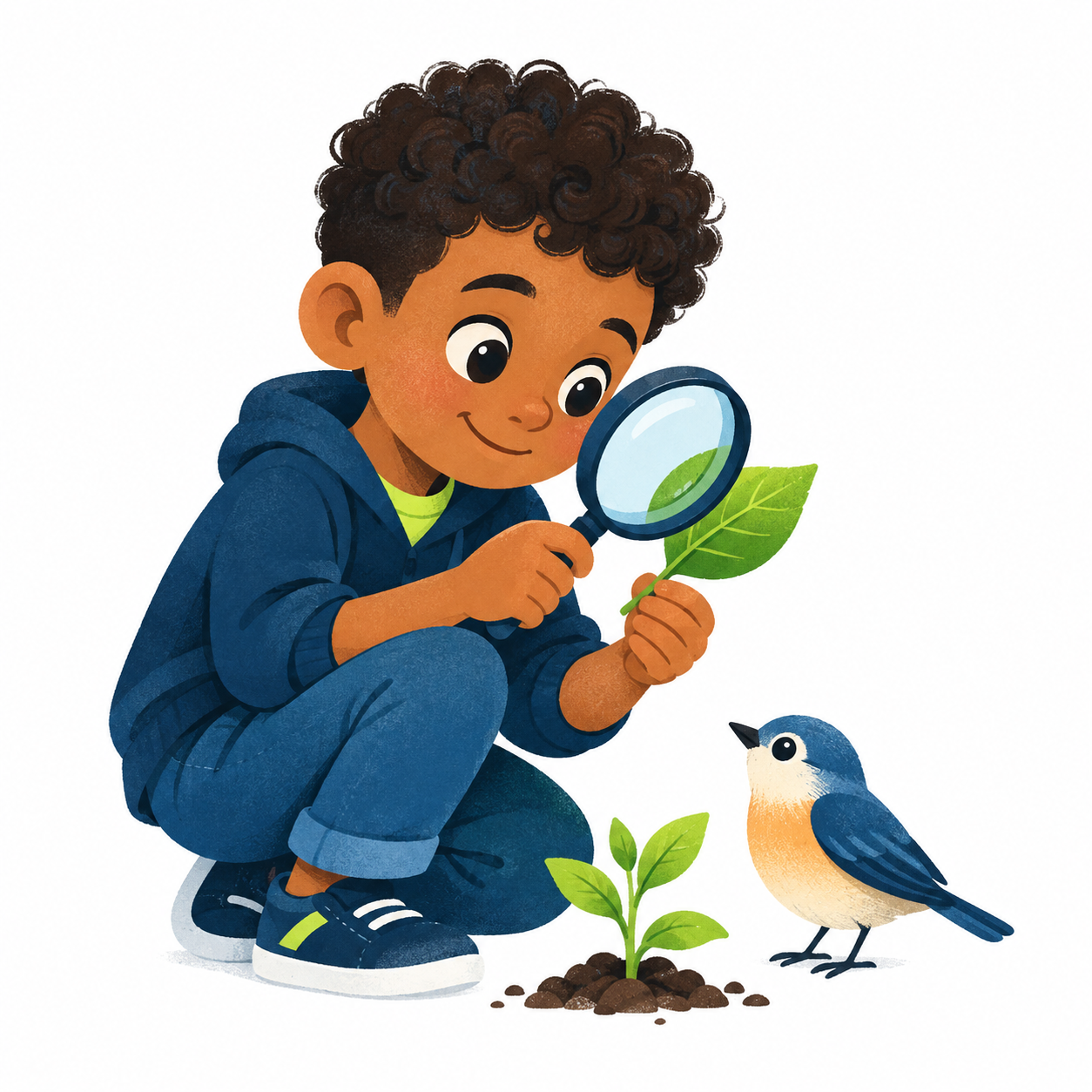 1. Naturalistic 1. Naturalistic | These students enjoy being outdoors and are interested in the environment and other living things. They may know a great deal about how different animals move. They enjoy noticing patterns in nature, observing and remembering changes in their surroundings, and using that awareness to make decisions. | Connect skiing or snowboarding movements with the way an animal moves. Give students opportunities to interact with their surroundings and use their senses. |
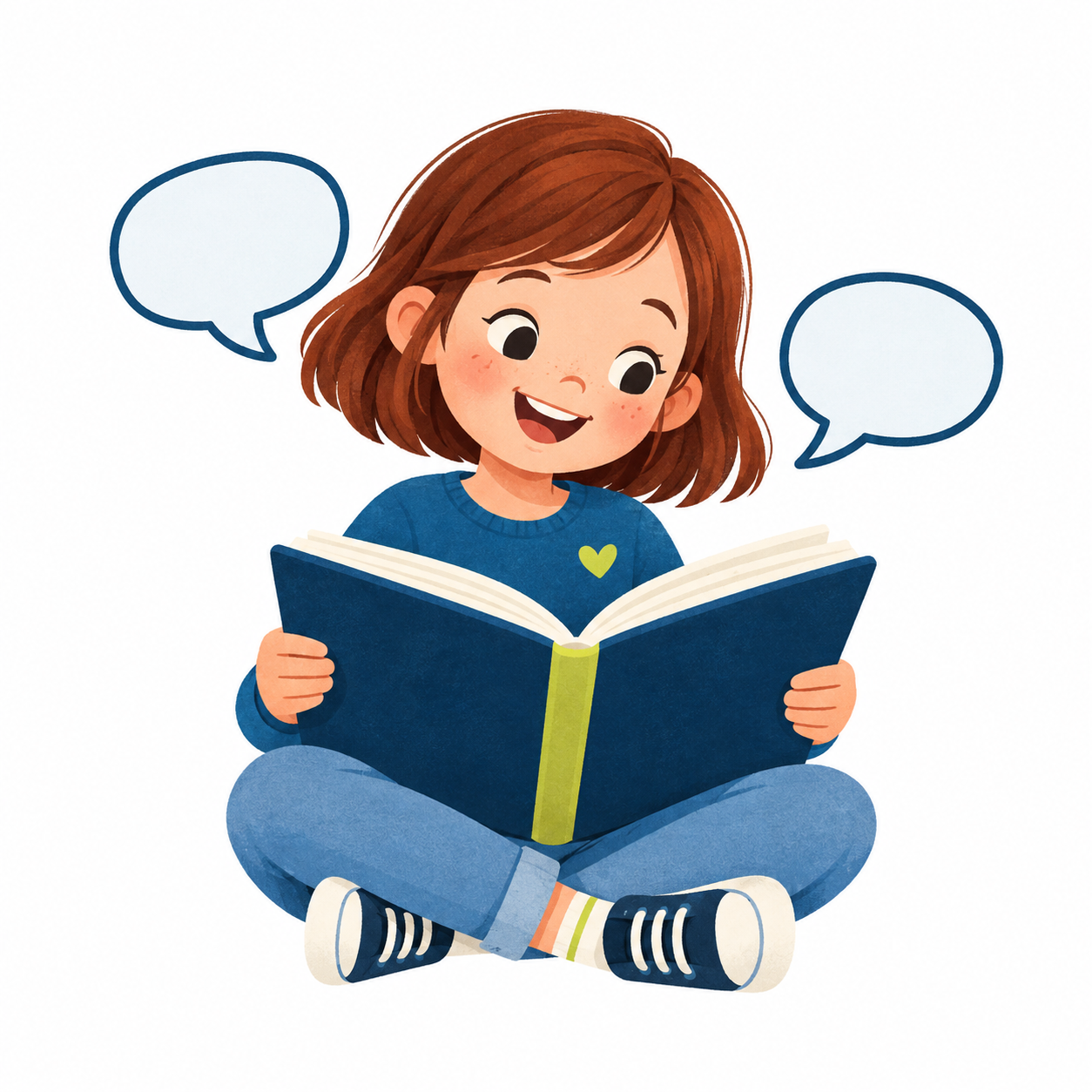 2. Linguistic 2. Linguistic | These students enjoy talking, reading, writing and storytelling, as well as spoken and written communication. They often have a broad vocabulary and describe things well. | Present information creatively. Analogies often make sense to these students. |
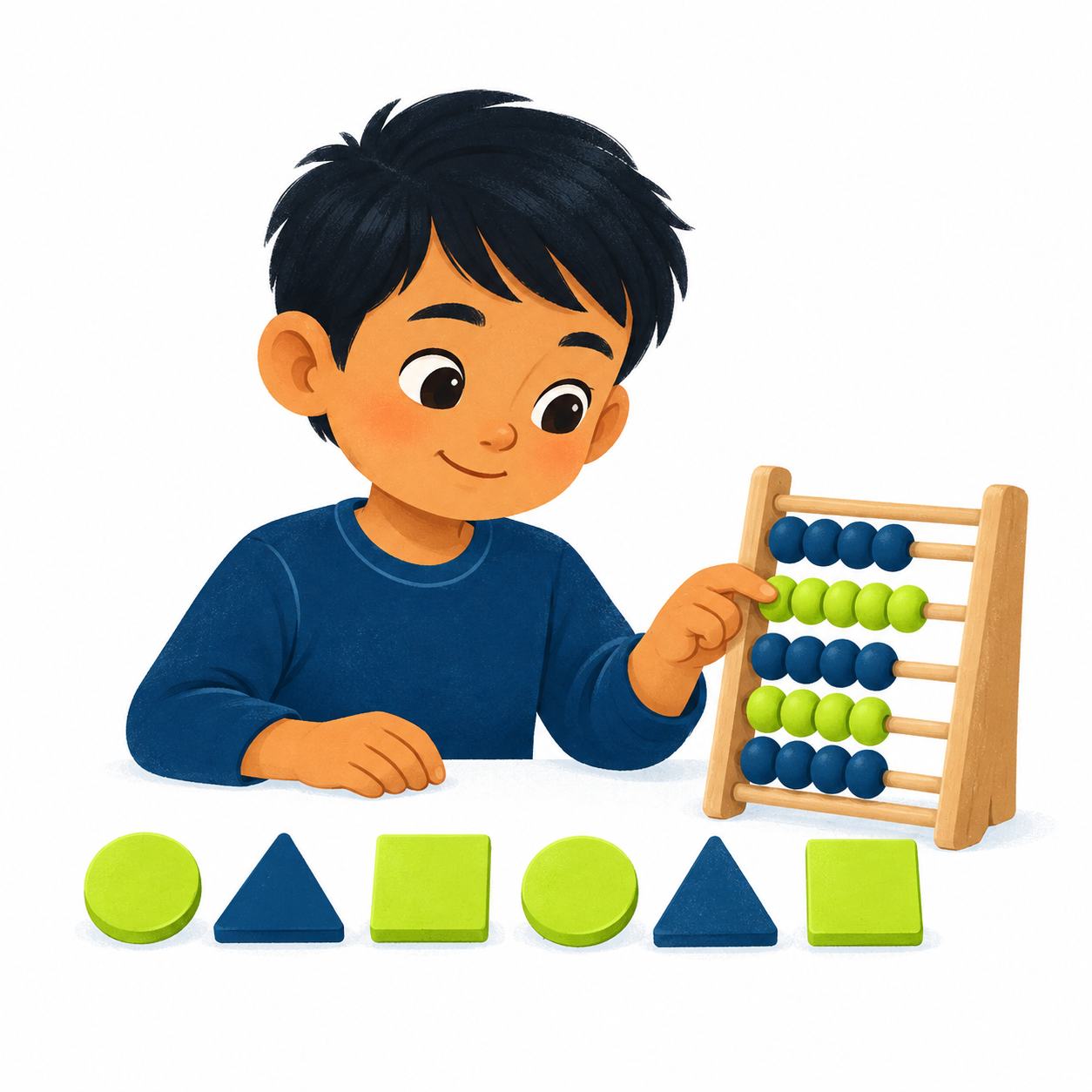 3. Logical–mathematical 3. Logical–mathematical | These students enjoy reasoning, asking questions, experimenting, working with numbers and finding patterns. They may be strong in mathematics and science and enjoy solving problems through logic. They like sorting and categorizing—for example, counting runs, snow guns or lift rides. | Try counting exercises or use a scale to explain differences in degree or intensity. |
 4. Visual–spatial 4. Visual–spatial | These students often enjoy drawing, building, designing, creating, imagining and watching films. They may be good at visual arts, puzzles, maps and noticing changes, and use pictures and mental images to process information. | Try visualization, draw in the snow, or study tracks and the spray of snow from skis or a snowboard. Clear, accurate demonstrations are especially valuable. Watching video of their own skiing or riding can also help. |
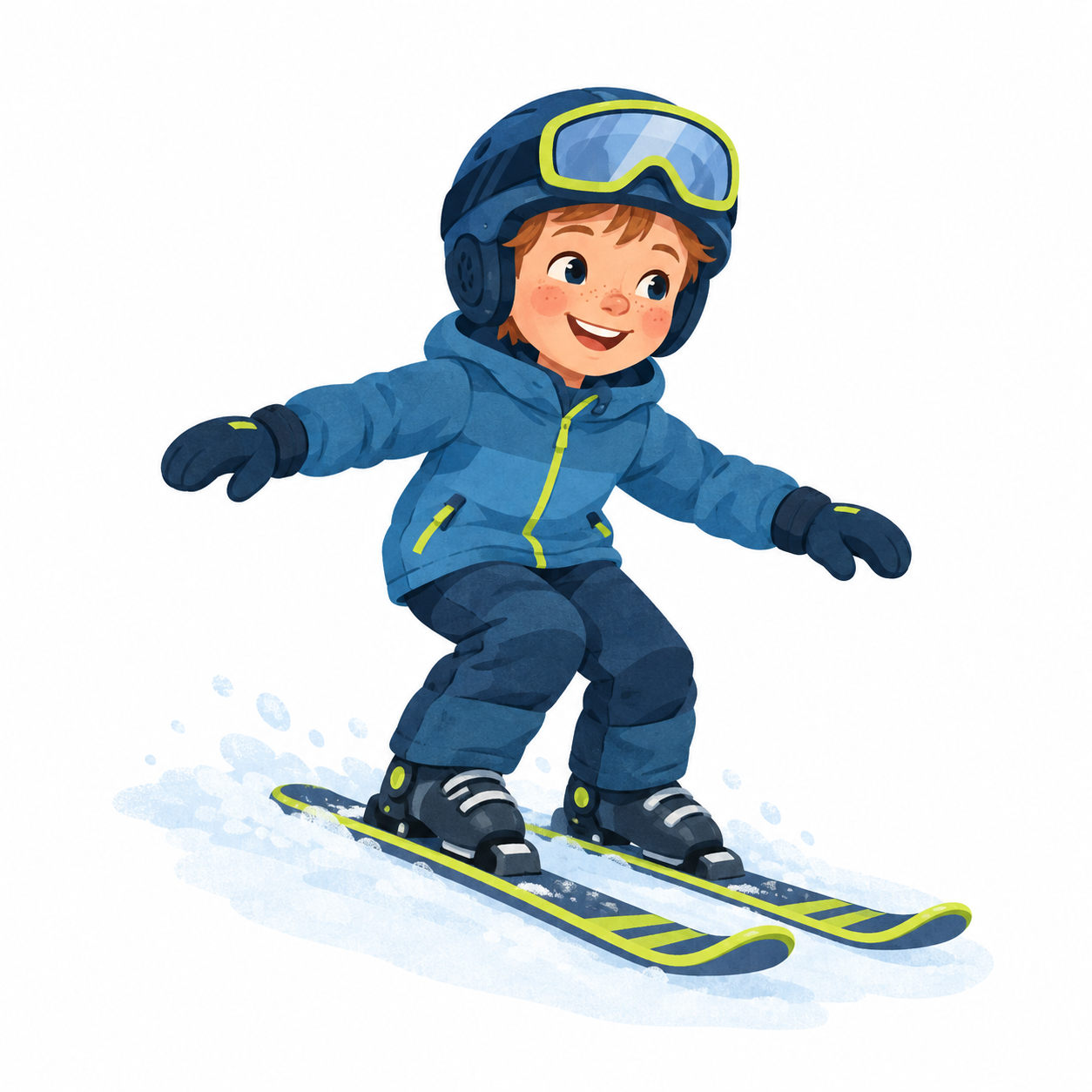 5. Bodily–kinesthetic 5. Bodily–kinesthetic | These students enjoy movement, touch and body language. They may excel at sports and hands-on activities and have a strong awareness of their bodies. Physical sensations help them understand, as they do in dance. | While stationary, let students explore how a movement feels in different ways. Drawing connections between movements in different sports, such as skating and skiing, can also be helpful. |
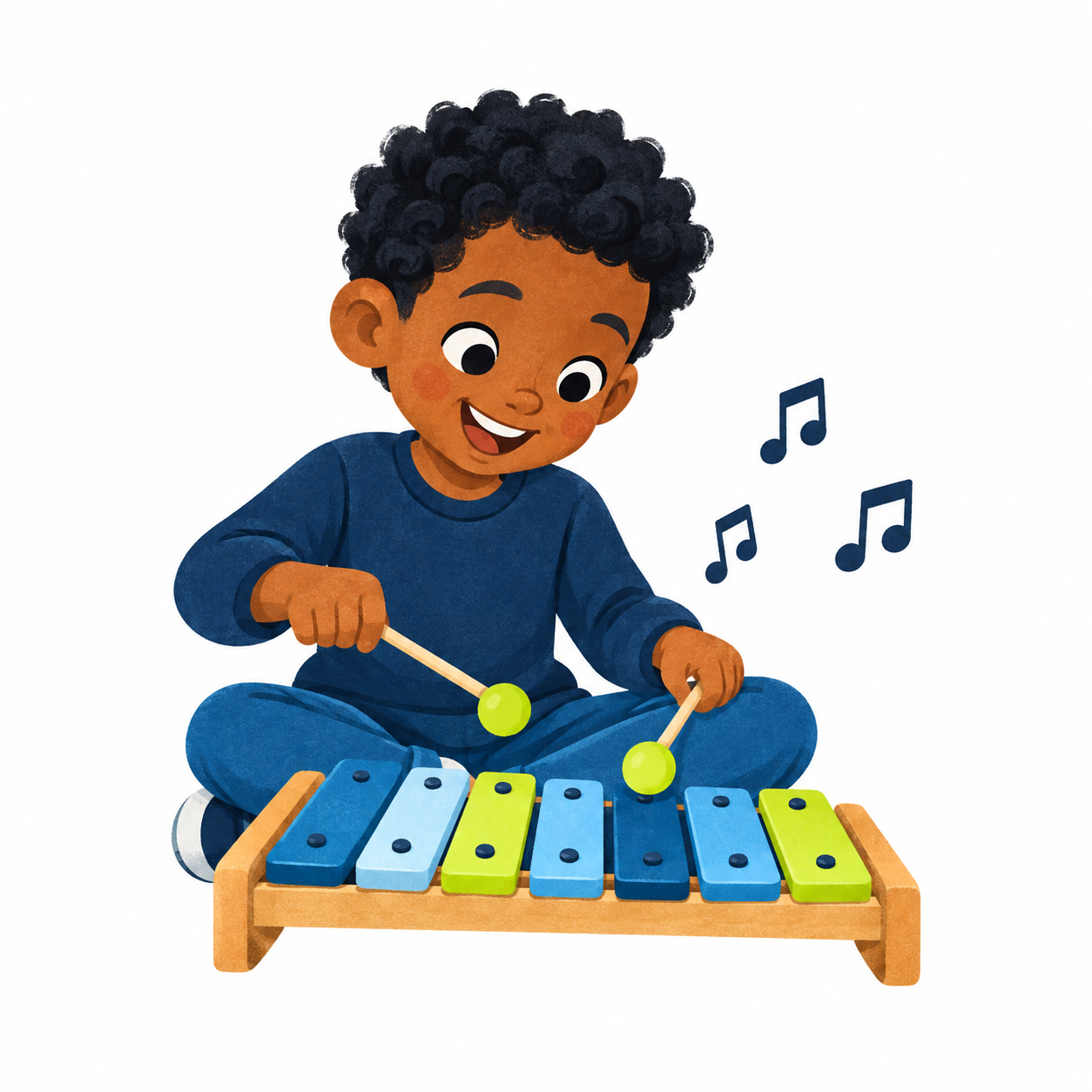 6. Musical–rhythmic 6. Musical–rhythmic | These students are sensitive to sound and rhythm. They enjoy humming, keeping a beat, listening to music and playing instruments. They may be good at noticing sounds, maintaining a rhythm, remembering through melodies and distinguishing pitch. | Try humming different melodies or playing music, using different rhythms to match turns of different sizes. |
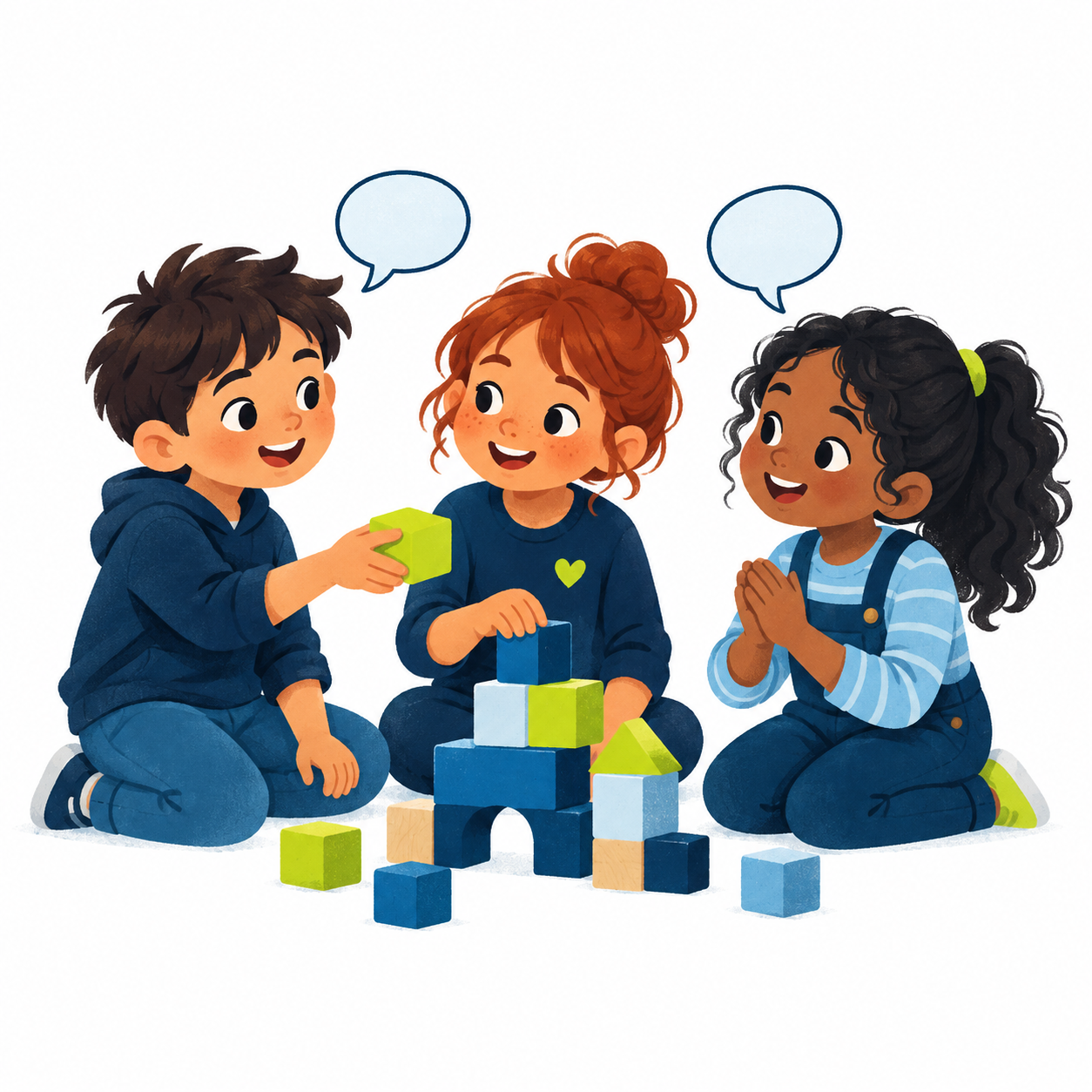 7. Interpersonal 7. Interpersonal | These students enjoy making friends, group activities and conversation. They may be good at understanding, responding to and leading others, as well as organizing activities. They like solving problems with other people, ask questions and readily contribute answers. | Create opportunities to learn from one another through comparison, cooperation and interviews. Group activities that involve everyone can be particularly effective. |
 8. Intrapersonal 8. Intrapersonal | These students enjoy thinking independently, pursuing personal interests and reflecting on their feelings. They are good at working through problems in their own minds, following their intuition and reaching their own conclusions. They enjoy the process of learning. | Give students time to make sense of new information. Allow enough time for individual practice so they can develop their own understanding. Everyone draws on several intelligences to process information. |
Everyone can draw on several abilities, and the approach they use may change with the task. Ask a child, “What games do you like?” or “Would you like to watch me first, or try it yourself?” Then observe their response. This can give you clues about the approaches that work for them.
Example: the same skill, explained differently
A young student had taken a lesson the day before but still did not understand what she needed to do to avoid falling at the start of a turn. Her previous instructor, whose own strength was logical–mathematical thinking, had given an accurate but complicated explanation.
Her new instructor asked about her interests. She loved music and played the clarinet in her school orchestra. The instructor adapted the explanation to something she understood:
“Making a turn is like playing a piece of music. At the moment, one note is out of place. We just need to find the right note—or movement—and play it at the right time so the music, or the turn, flows smoothly.”
Why play matters
Play and joy are central to children’s learning
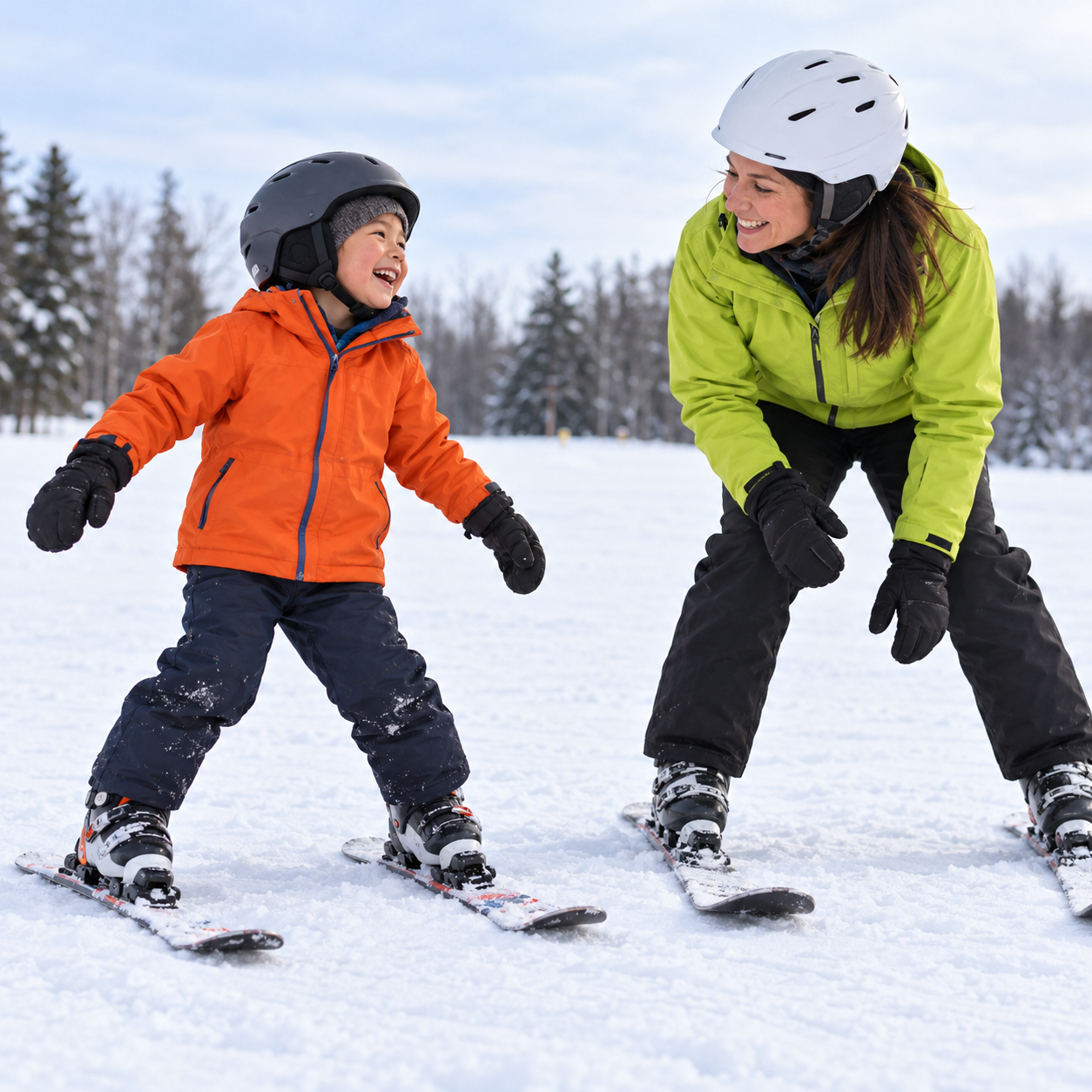
A research review by the LEGO Foundation identifies five characteristics of effective learning through play: it is joyful, meaningful, actively engaging, iterative and socially interactive. Joy is identified as a condition for learning in its own right. When children are curious, they can remember both the information they want to know and other things they learn along the way. During a snowsports lesson, a child excitedly wondering whether the next turn will be faster may be especially receptive to a brief teaching cue.
Positive emotions encourage exploration
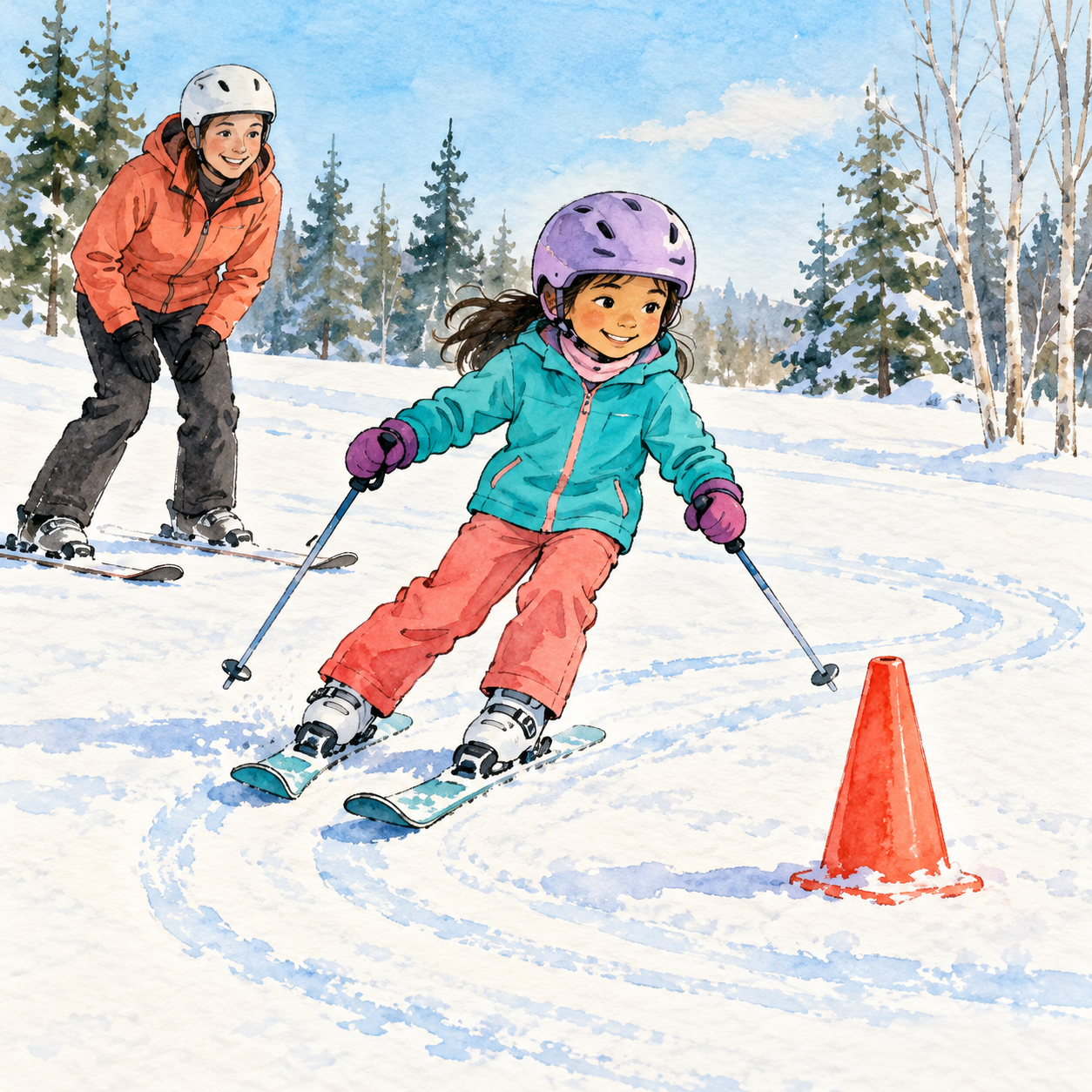
Enjoyment and interest broaden attention and the range of possibilities a child is willing to consider. On snow, a happy child is more willing to try a new line, experiment with a different rhythm and learn something new.
TXSNOW Snow Buddy Discovery: taking play seriously
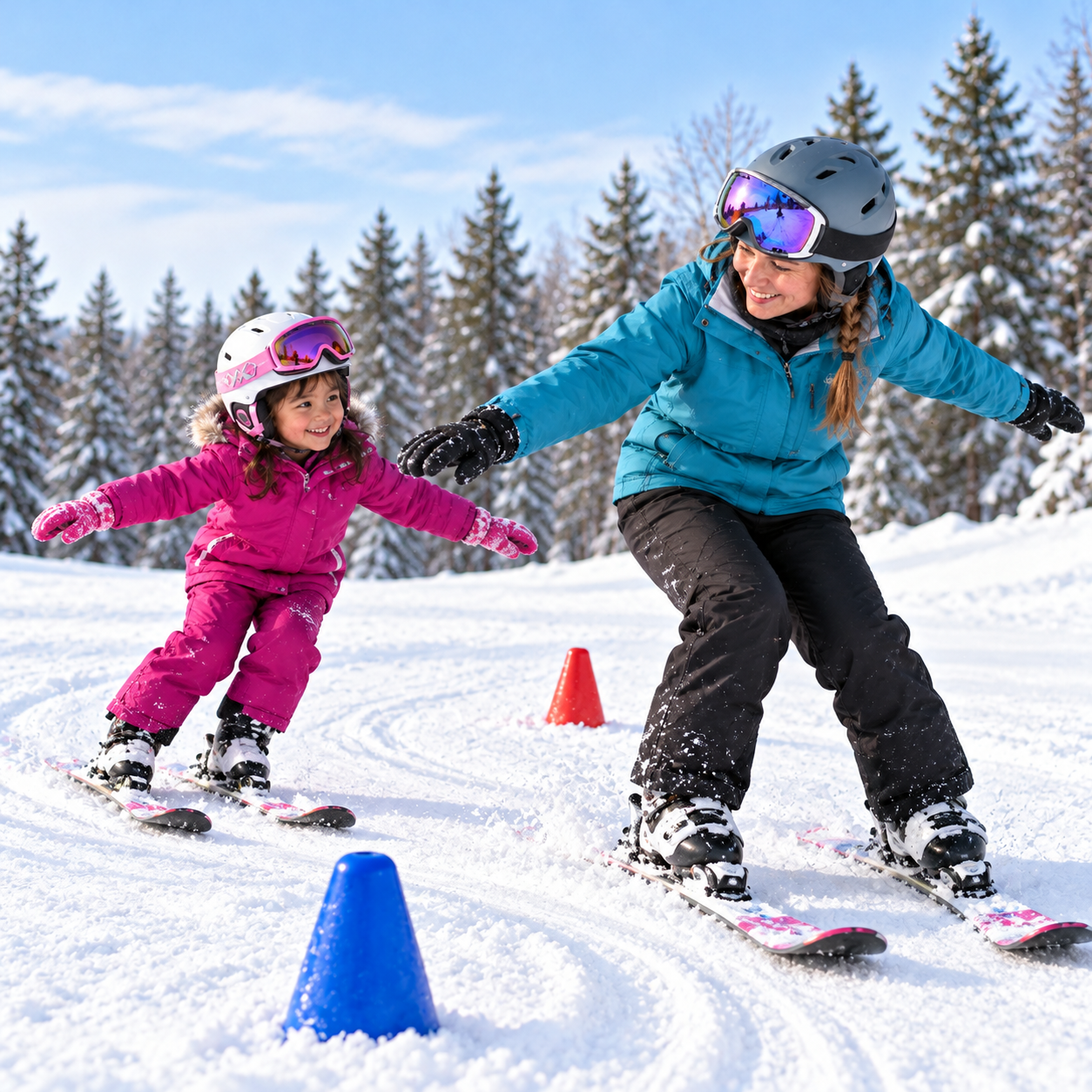
After a technical lesson, children need time to understand what they have learned, practise it and make it their own. Snow Buddy Time weaves those skills into play, creating opportunities to engage their different abilities.
Emotion is part of learning, and play provides its own motivation
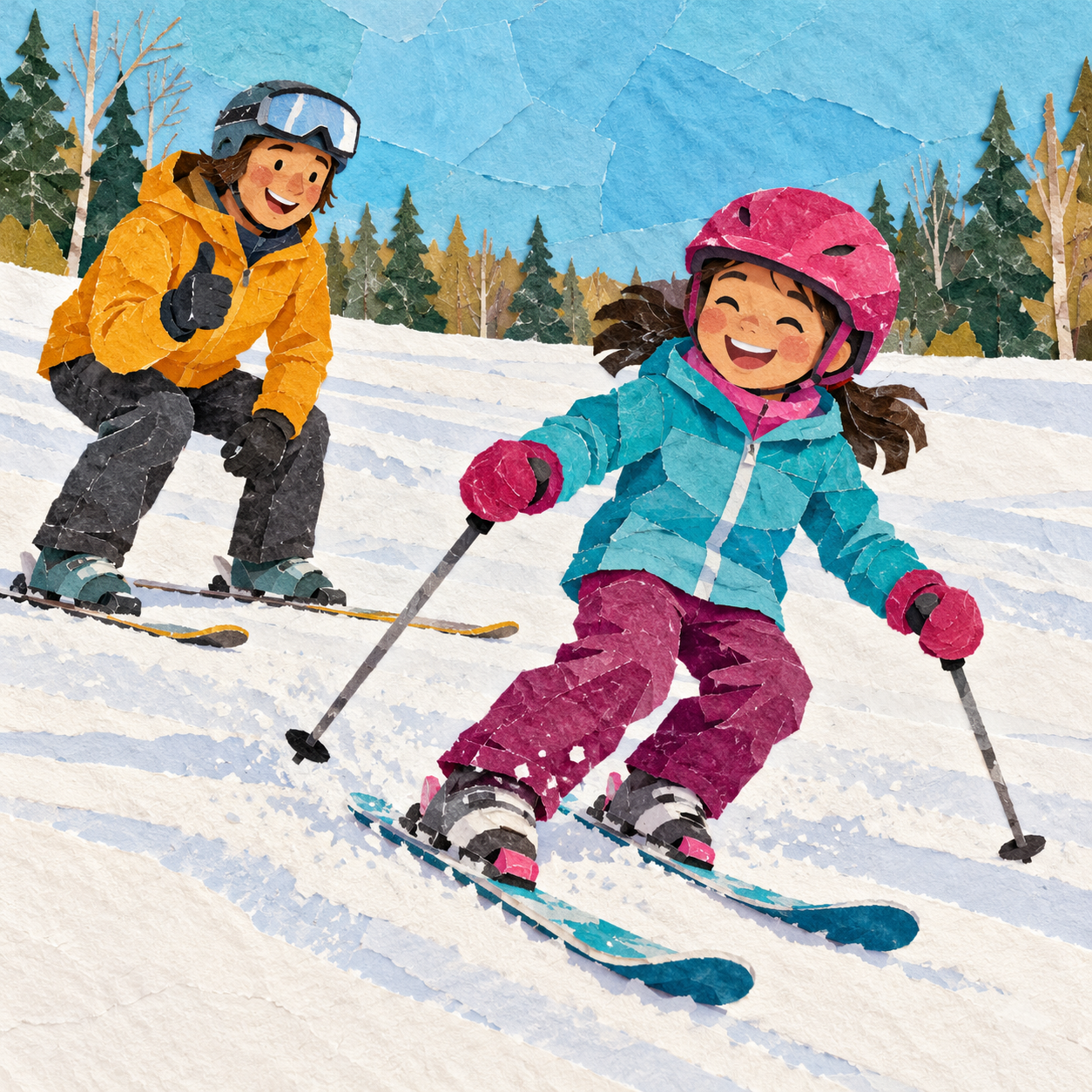
When a child thinks, “That was fun—I want to do it again,” balance, edge feel and turn timing become experiences worth remembering. Enjoyment, anticipation and novelty help make the experience more memorable.
Varied forms of play give children opportunities to develop and practise all eight intelligences, and allow those abilities to be noticed and understood. The aim is balanced development across intellectual and emotional abilities, aesthetic awareness, resilience—also described as the Adversity Quotient (AQ)—moral understanding, courage and willpower.
The CAP model: humour, games, rules and competition
The CAP model is used in children’s teaching resources from PSIA-AASI in the United States and NZSIA/SBINZ in New Zealand. [1–2]
TXSNOW uses CAP to understand children’s development. C stands for cognitive: how children think and understand. A stands for affective: how they feel, respond and interact with others. P stands for physical: how they grow and move. Together, these three areas help instructors understand what they see in a lesson.
Laughter can relieve tension and lift a child’s mood. Children have a remarkable ability to find humour in things most adults would not consider funny. Their spontaneous laughter is an important part of learning. Presenting ideas in an enjoyable way helps students stay engaged and remember what they learn. Age-appropriate humour, games and competition also build trust between the student and instructor, influencing the child’s willingness to listen, practise and learn.
How we think and perceive
How we respond and socialize
How we grow and learn to move
| KM age group | What you may observe | TXSNOW teaching recommendations |
|---|---|---|
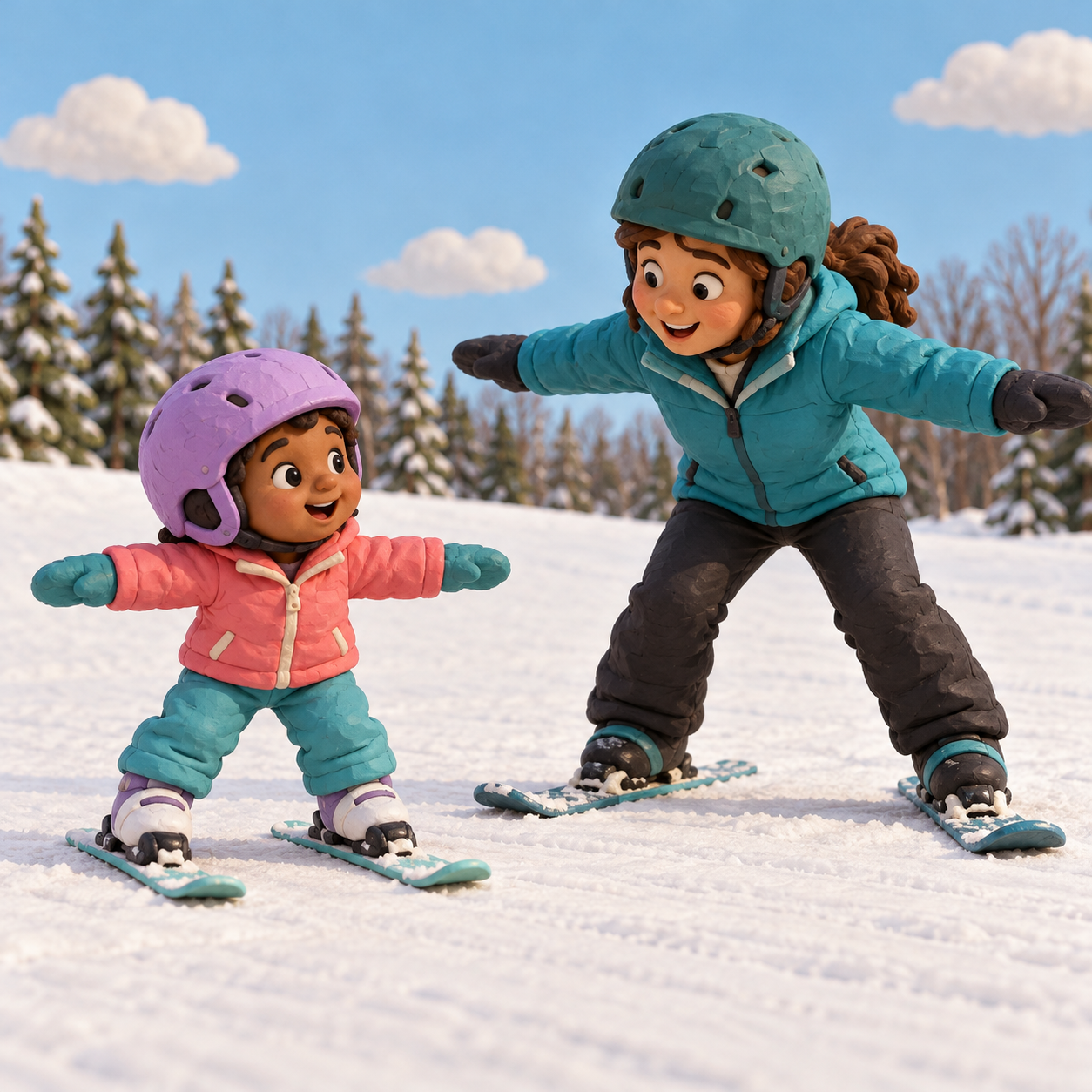 Ages 1–4 Ages 1–4Snow Munchkins | Young children learning snowsports often engage in parallel play: they play alongside others rather than together. They may still see the world largely from their own perspective, with themselves at its centre. Sharing may not yet be part of how they approach play. | Because social skills are still developing, competition is not an appropriate focus. Keep games open-ended and let the child’s imagination lead. Pretending to be different zoo animals while learning to glide or turn is a popular example. |
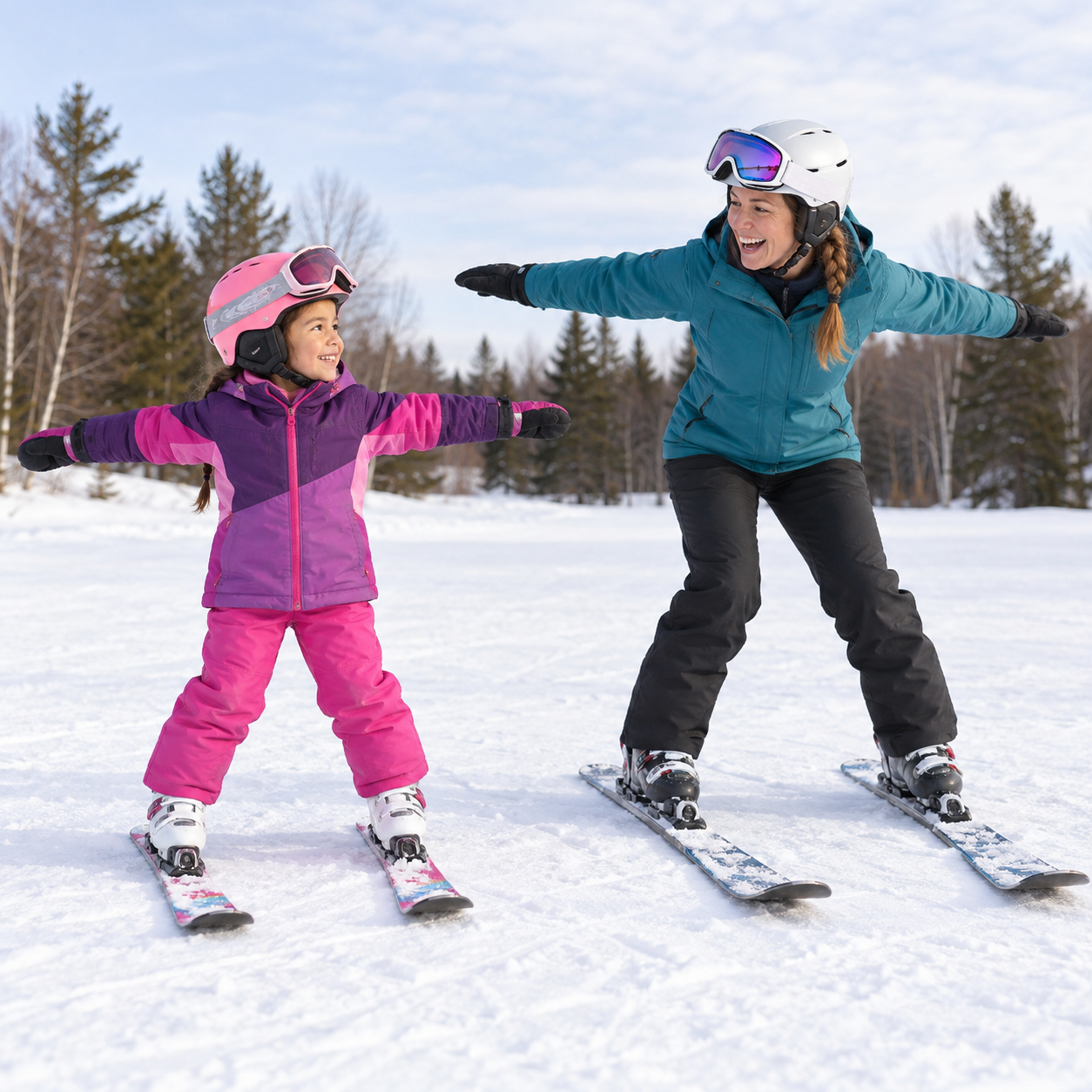 Ages 5–7 Ages 5–7Little Heroes | At around five, simply calling something a “joke” may make it funny. As children grow, wordplay becomes appealing—such as an endless exchange of knock-knock jokes on a long lift ride. Telling the joke is often more entertaining than the punchline. | Between roughly three and seven, children move from enjoying solitary play to enjoying play with others. The shared experience can matter more than rules or winning, so competitive games may not always satisfy them. Try games in which the outcome is unimportant. A favourite is letting the child teach the instructor. |
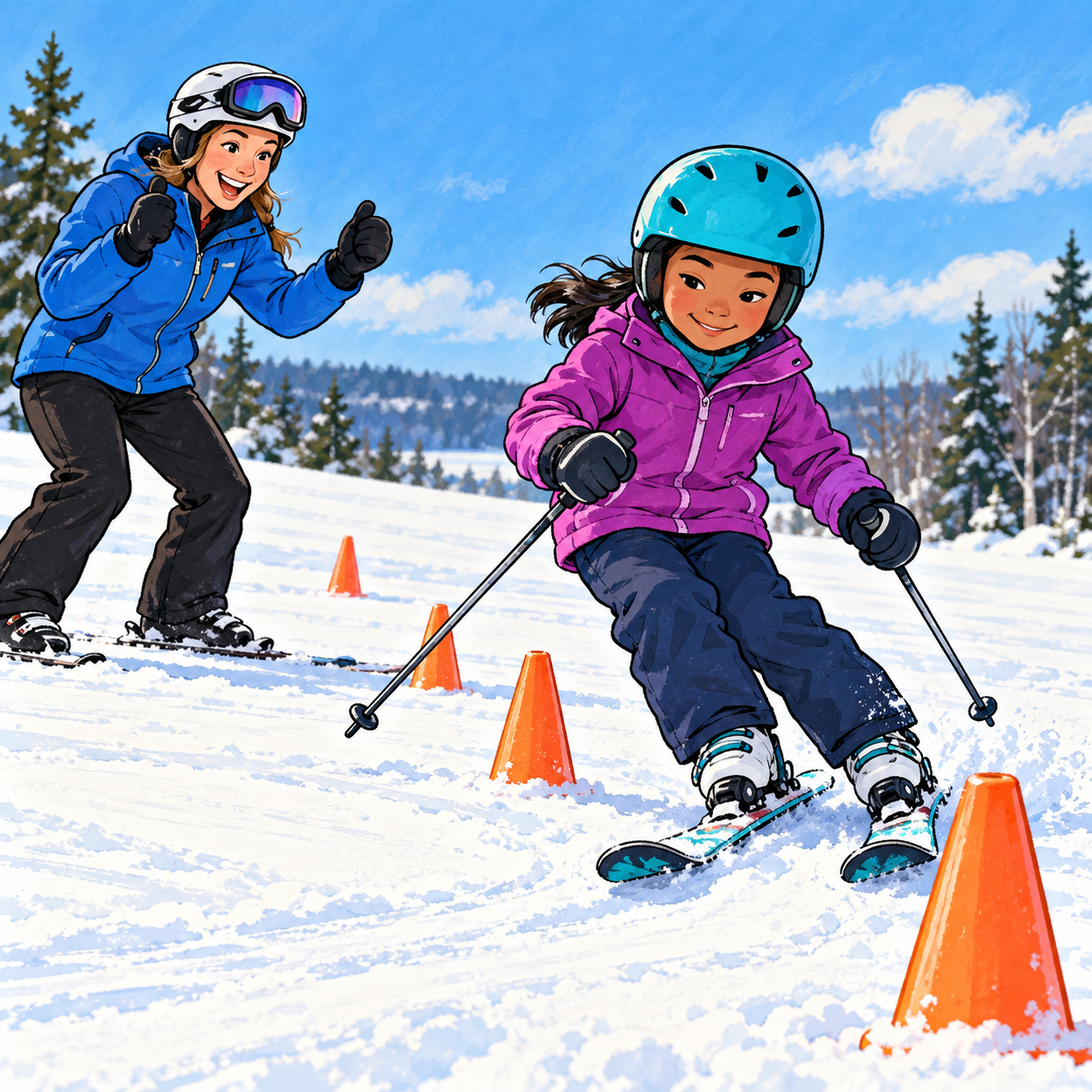 Ages 8–11 Ages 8–11Young Adventurers | Children are increasingly aware of differences between people and may tease one another. Although teasing can be part of growing up, instructors should watch closely, keep it harmless and limit it. It can easily go too far. Model humour that does not embarrass a child by laughing at your own funny mistakes. | Children in this age group begin to care about the results of their efforts. Rules matter more, and competition can be motivating. Some already play team sports at school and are learning what winning and losing mean. Build games into lessons to sustain enjoyment and motivation, and let a sense of achievement encourage further learning. |
Maslow’s hierarchy of needs
“Motivation is an impulse that prompts us to act or perform.” — Abraham Maslow, American humanistic psychologist
Meeting children’s emotional needs is essential to learning. A supportive social and emotional environment strengthens their sense of self and helps them fulfil their potential.
Maslow’s theory, first proposed in 1943, is commonly presented as five levels: physiological needs, safety, love and belonging, esteem, and self-actualization. In this model, meeting physiological needs allows a person to turn their attention to safety. As successive needs are met, the person can move towards fulfilling their potential, or self-actualization. This progression is why the theory is usually shown as a pyramid and called a hierarchy of needs.
| Need | Meaning and effect on learning | Applications in skiing and snowboarding |
|---|---|---|
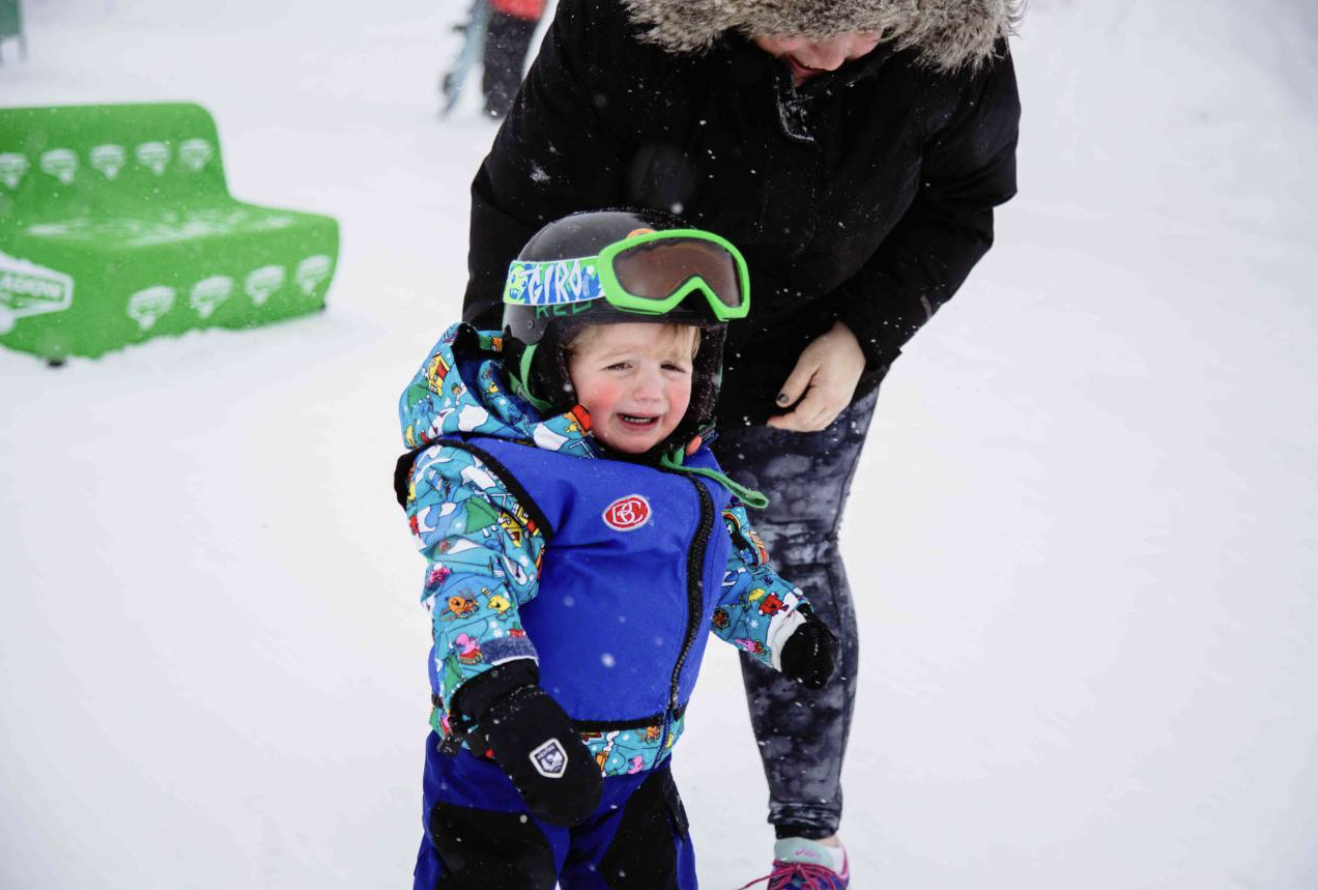
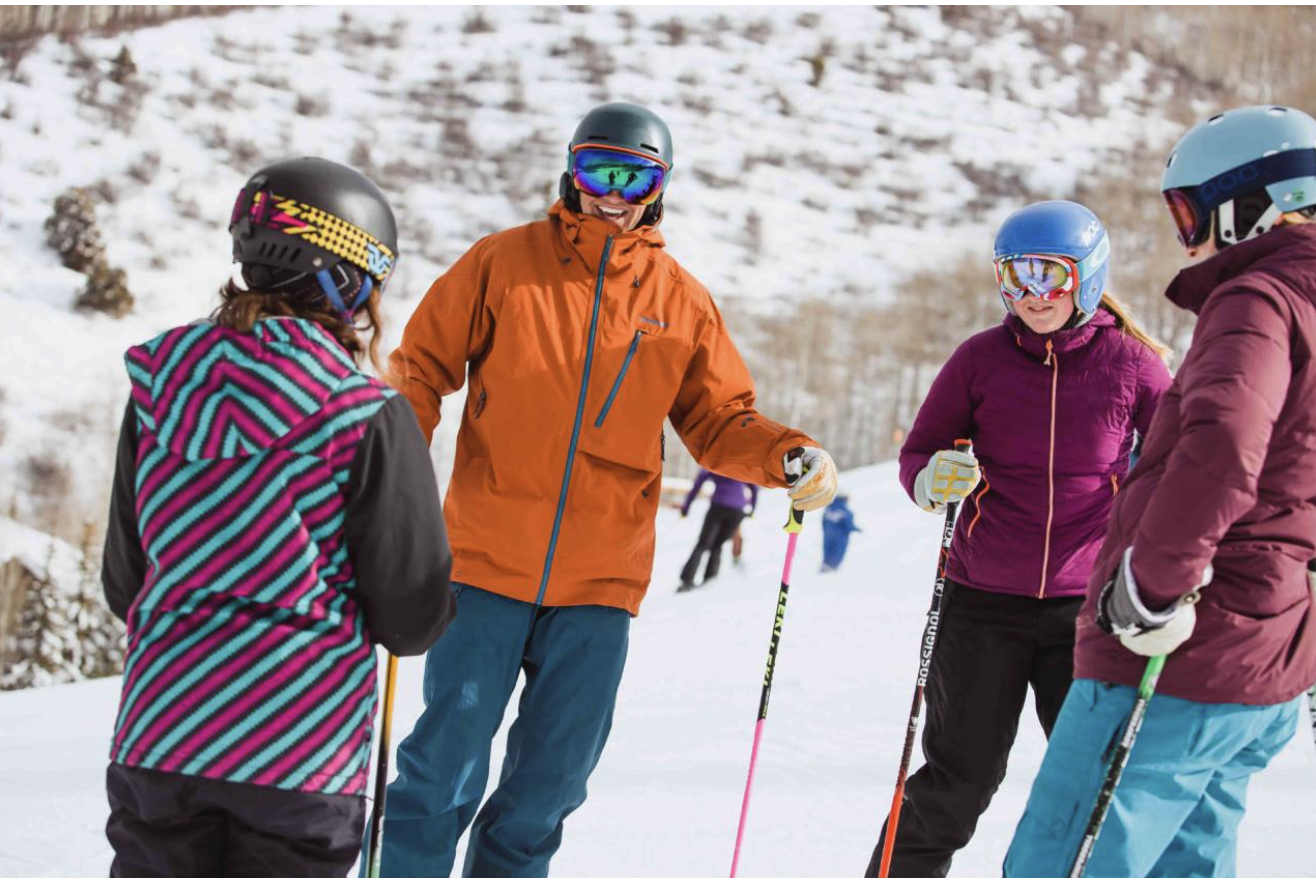
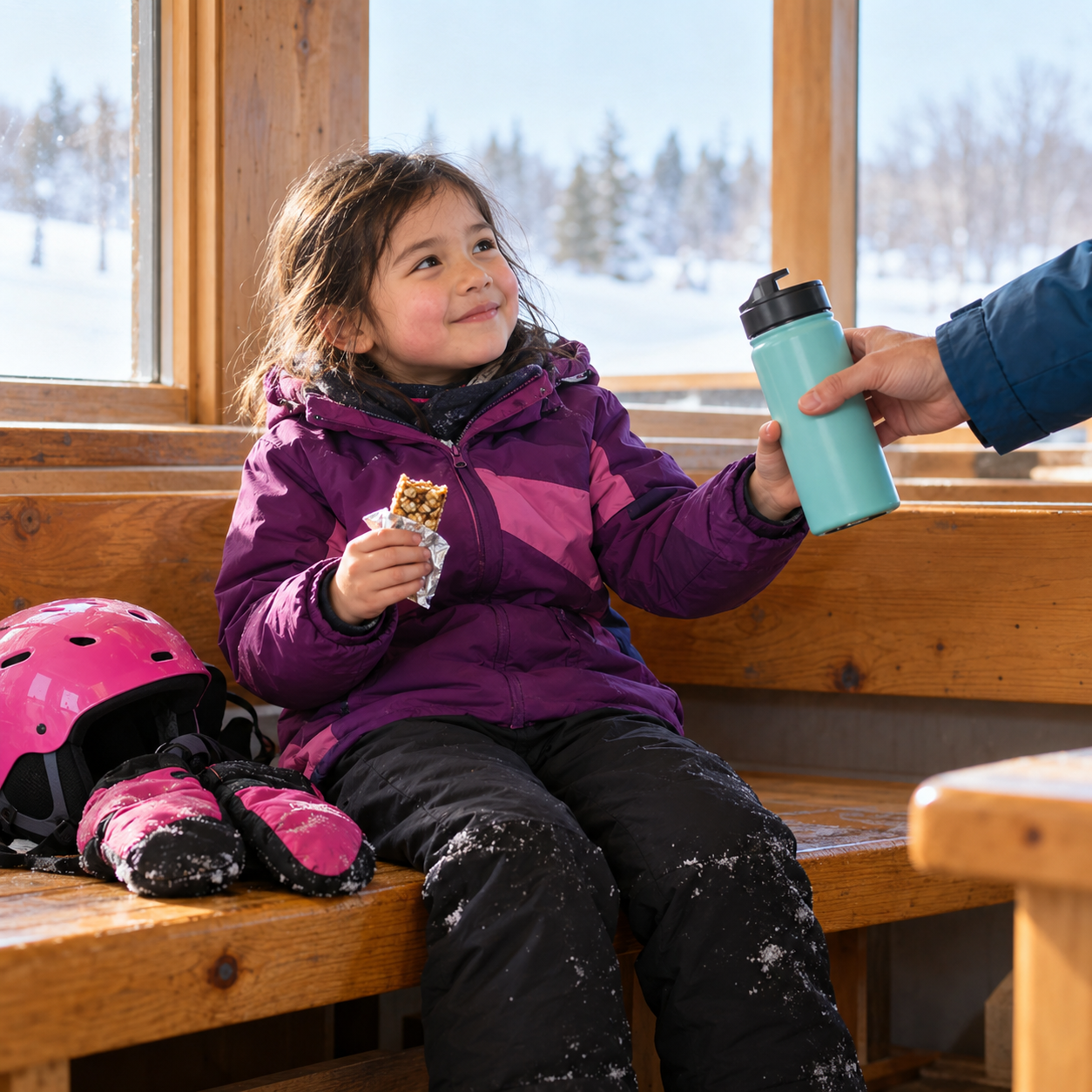 Physiological needs Physiological needs | These are the needs that keep the body alive and comfortable. When they are unmet, children may feel hungry, cold or tired. As discomfort increases, their ability to focus on learning declines until they feel comfortable again. | Children may not tell you directly how they feel, but their body language can say a great deal. Sudden changes—drowsiness, irritability, unusual silence or crying—may signal physical discomfort. First identify the problem and address it. You may need to change the lesson plan or the timing of the day’s goals. Imagine sitting in a clinic with feet so cold that you cannot feel your toes: you would be thinking about warming up, not listening to the doctor. |
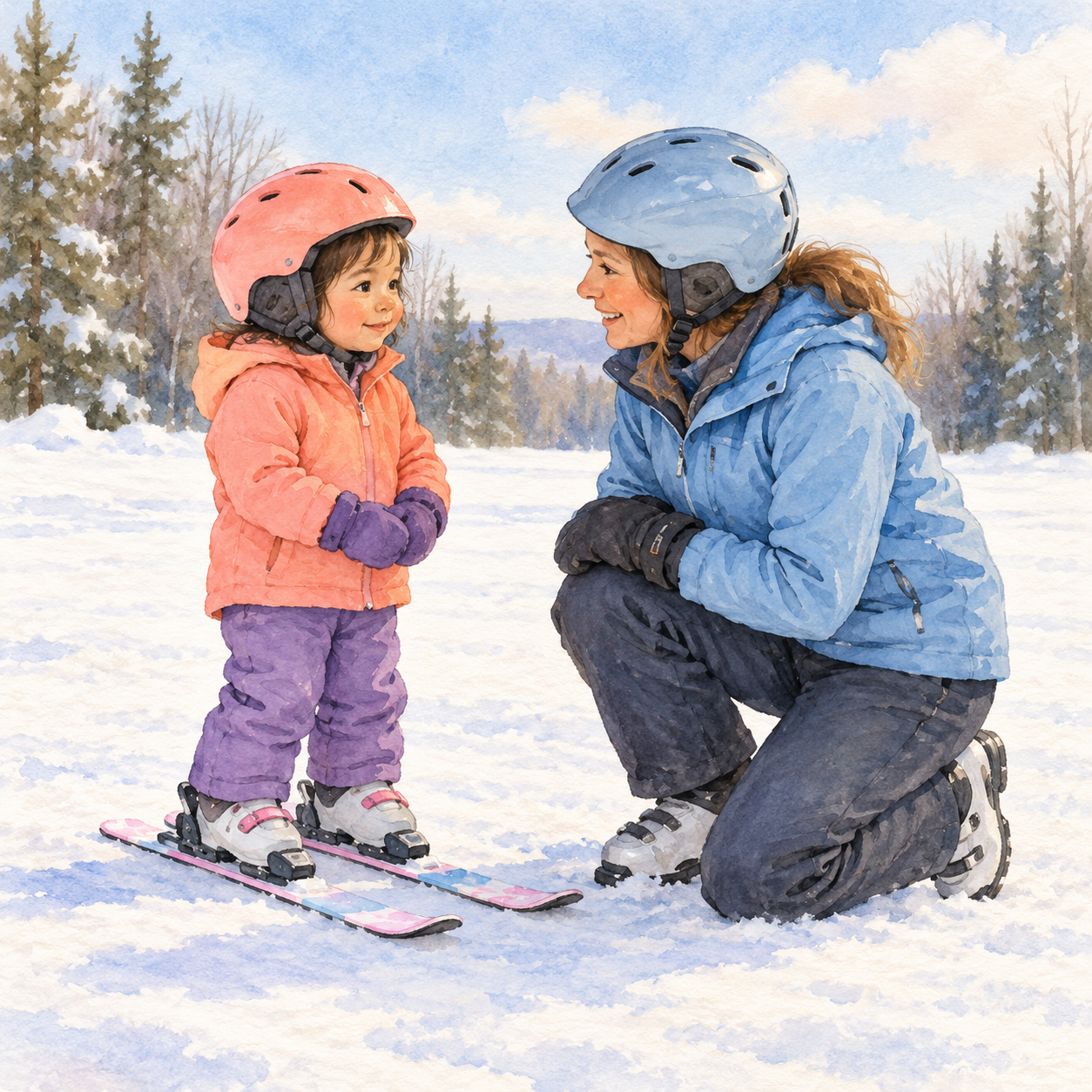 Safety needs Safety needs | Children need both physical and psychological safety. Unfamiliar surroundings, people and activities can make young children uneasy or afraid, sometimes contributing to separation anxiety. Most instructors have seen a young child become overwhelmed; outwardly, this may look like a tantrum. | A safe, low-pressure learning environment is the foundation of a caring relationship. Encourage students to talk about what they think and feel without fear of judgment or ridicule. Remembering what they tell you shows that you care about their safety and learning. Students notice what you say and do. Non-judgmental language and a positive tone help create a safe, enjoyable lesson. |
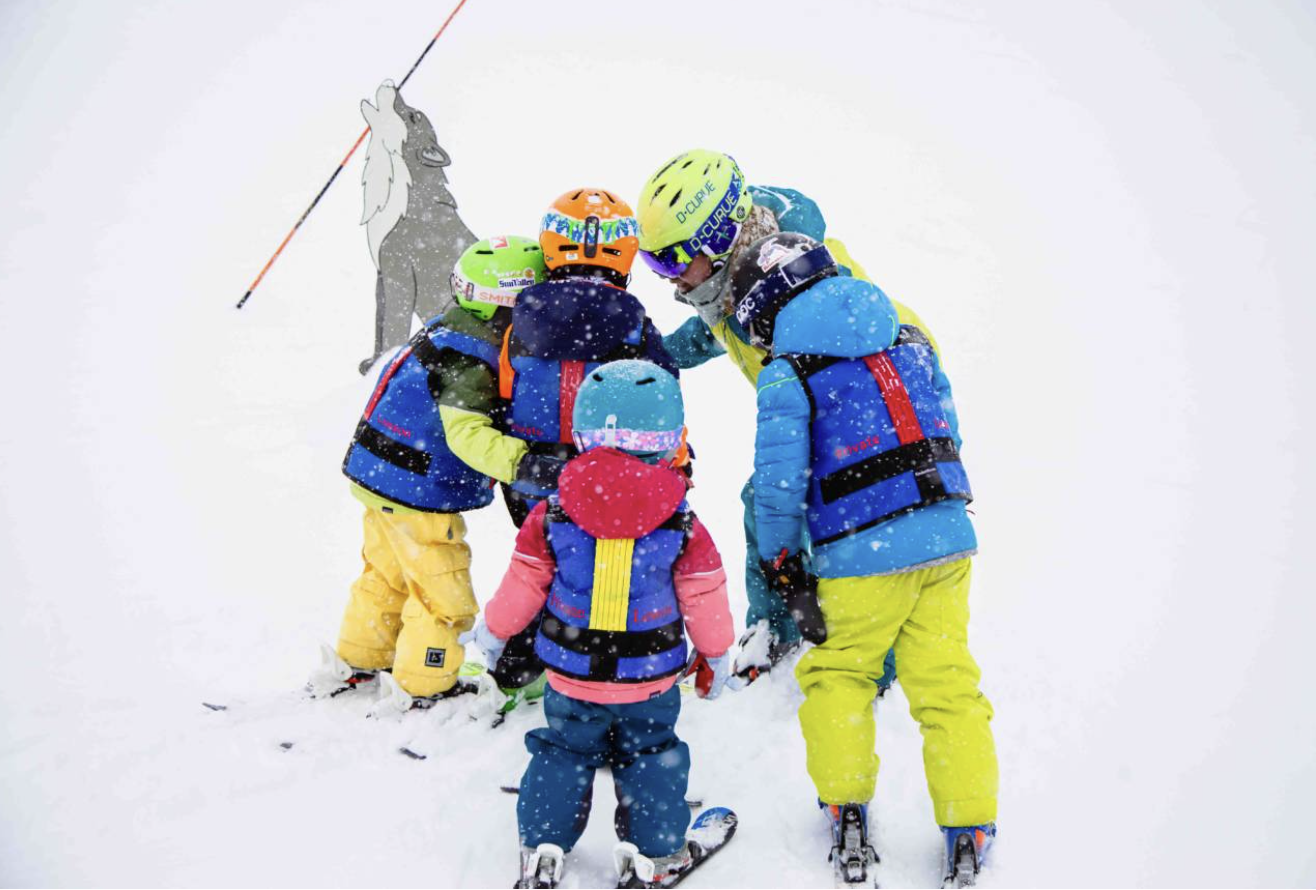
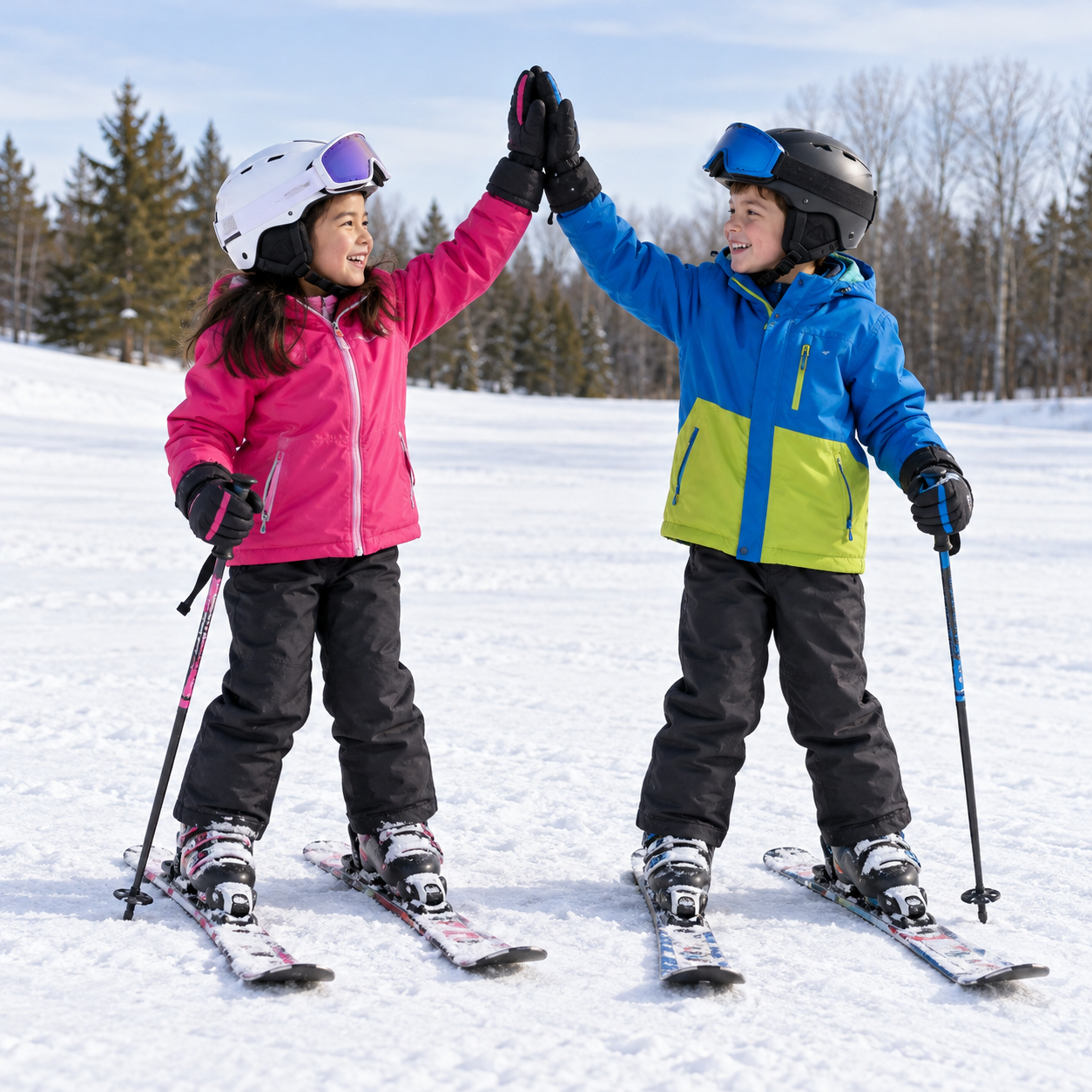 Love and belonging Love and belonging | Students are more receptive to what you know once they feel that you care about them. They want recognition and appreciation from their instructor and peers. Activities that involve solving problems or making decisions together can help build friendships. | Skiing and snowboarding are individual sports, but sharing them with good friends adds to the fun. A friend’s “Great turn!” or a high-five can feel wonderful. Explain what made the turn good so the student can connect your encouragement with a specific movement and repeat it. |
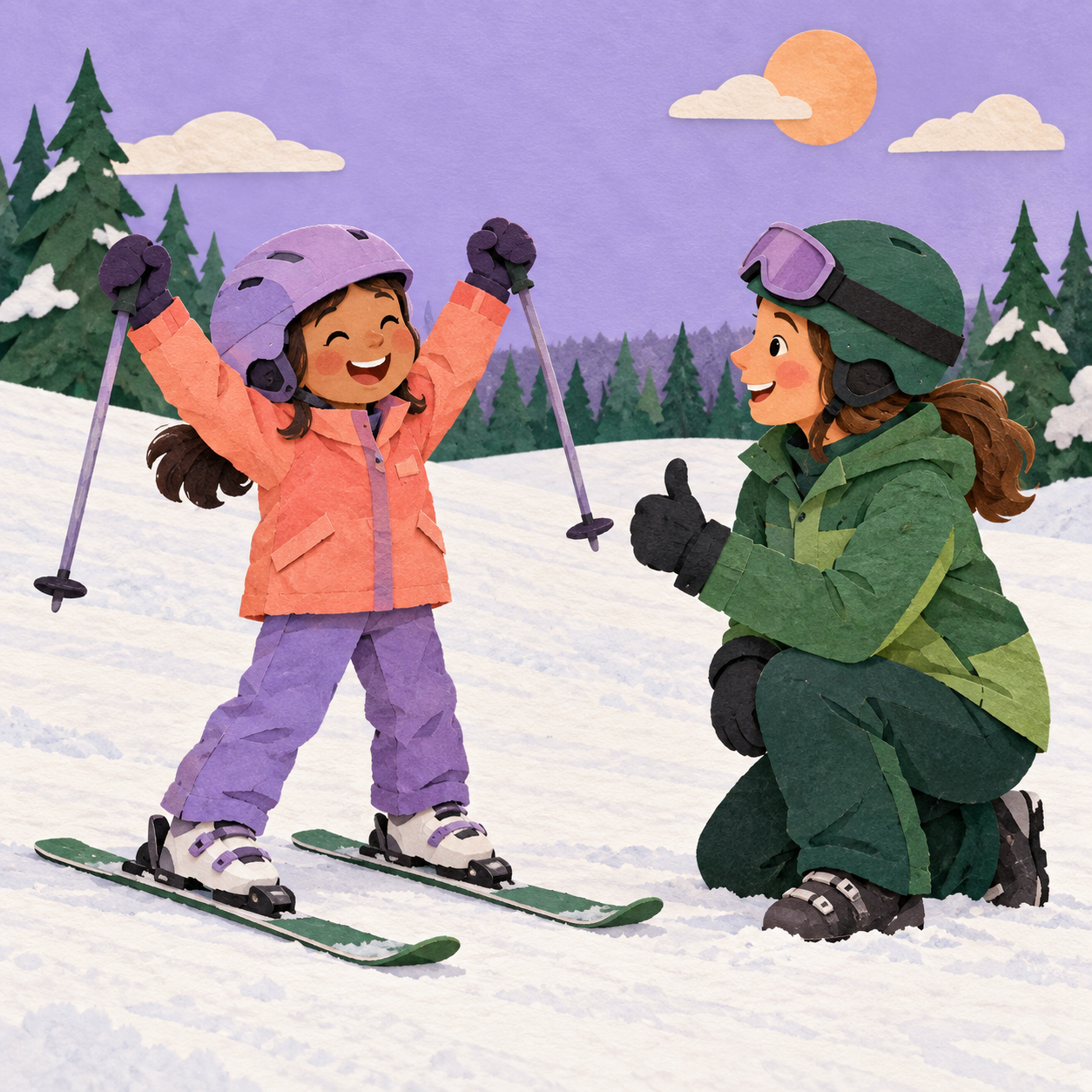 Esteem Esteem | Children want to feel capable and valued. Self-esteem reflects how they see their own worth. Achieving something and recognizing that success helps them develop a sense of competence. | Help students set goals that are achievable while still offering a challenge. Be patient and kind as they work towards them. Give positive, timely feedback; encouragement makes persistence more likely. Create opportunities for children to experience success, building the confidence and self-worth that support further growth. |
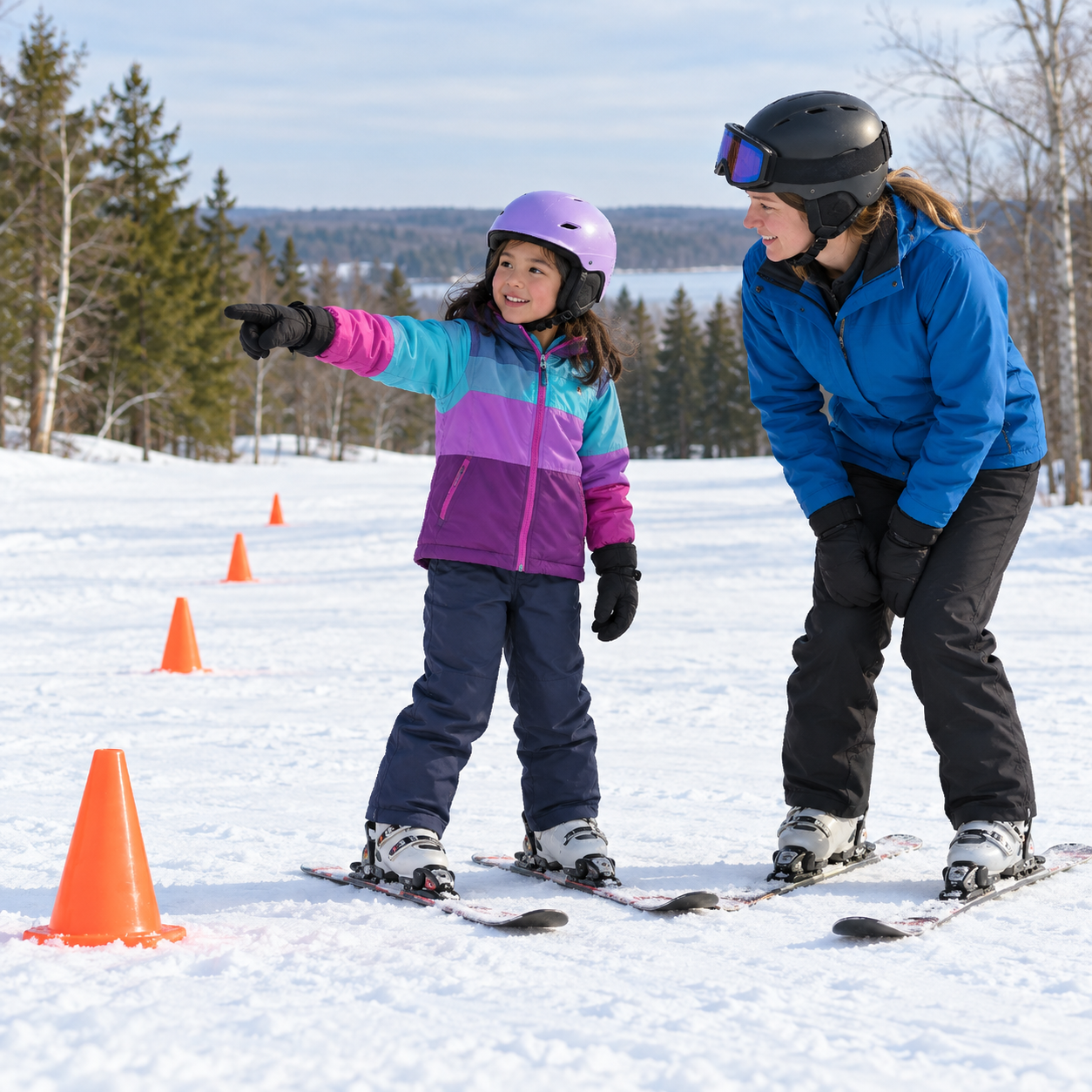 Self-actualization Self-actualization | This means developing one’s potential, exploring personal interests and pursuing meaningful growth. Children may begin setting their own goals, motivated by “I want to learn” or “I want to try,” as well as by praise from others. | Within safe limits and the child’s capabilities, involve them in choosing goals and ways to approach them. Ages 1–4: choose a small task to explore on snow. Ages 5–7: create a story or game around a gliding task. Ages 8–11: propose a solution to a problem, such as how to turn in time while travelling through trees. Offer appropriate support while gradually developing independent thinking. |
Cognitive development
Jean Piaget, Swiss developmental psychologist: stages of cognitive development. [1–2]
| KM age group | Stage of cognitive development | What you may observe |
|---|---|---|
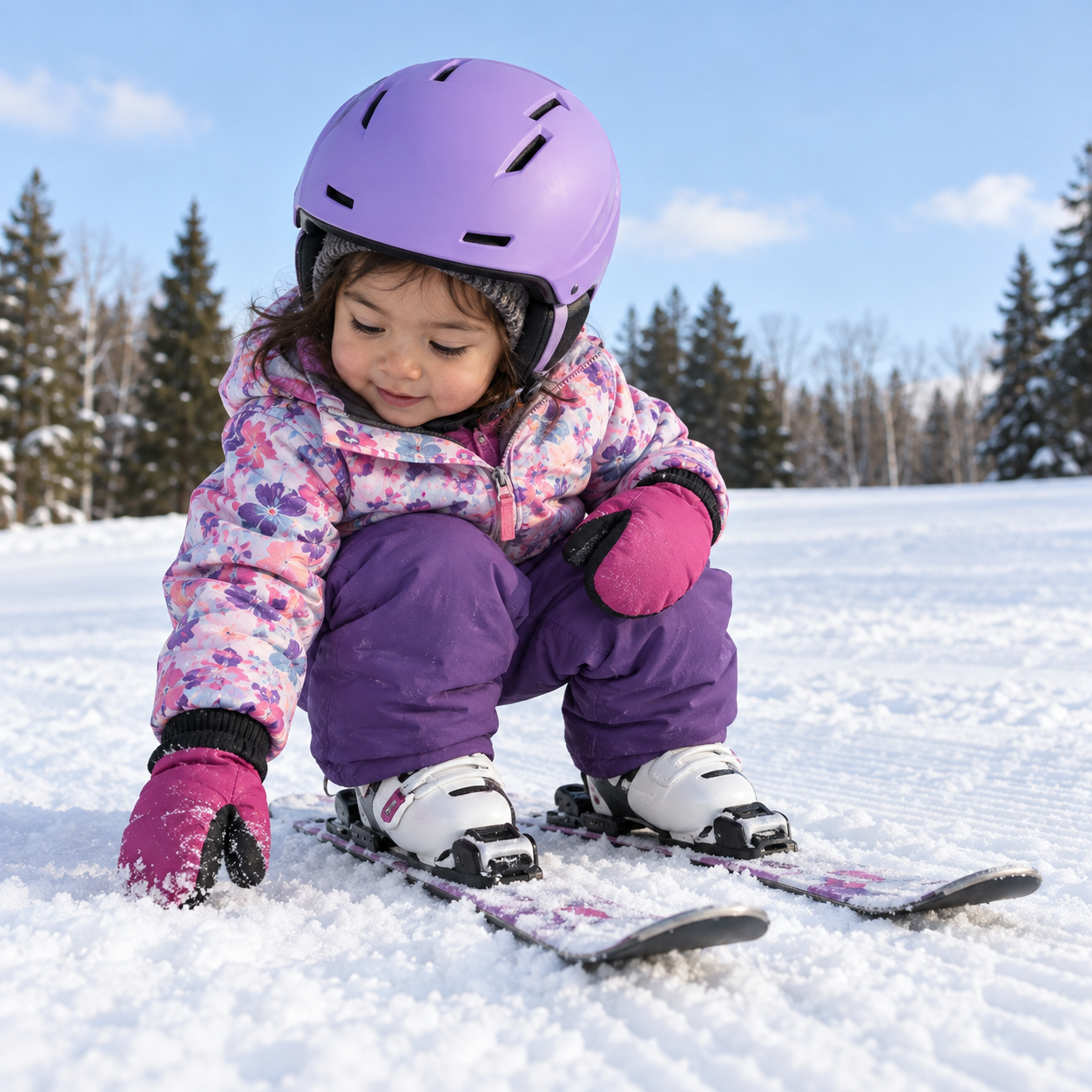 Ages 1–4 Ages 1–4Snow Munchkins | Sensorimotor and preoperational stages: children understand the world through what they can see, touch and do, gradually using language and imagination. Abstract directions and lengthy instructions can be difficult to understand. | A young child who is gliding may suddenly stop, wondering, “Where are my skis?” because they are out of sight. The child also explores the texture of snow through touch, discovering that it can feel smooth or heavy. A slightly older child can work out where the skis are and why they have stopped sliding. |
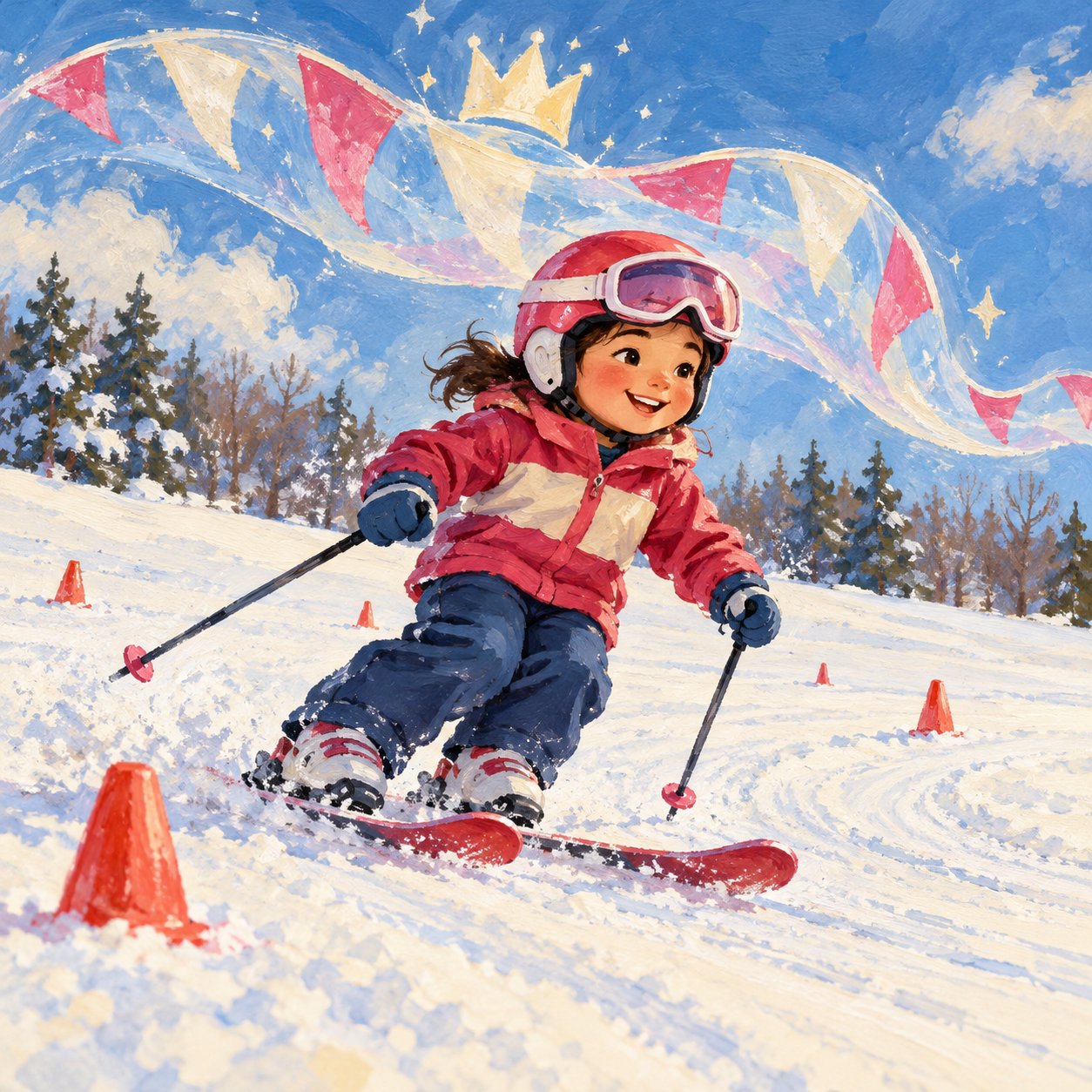 Ages 5–7 Ages 5–7Little Heroes | Predominantly the preoperational stage, gradually moving towards concrete operations. Children enjoy roles and concrete examples. Check their understanding of left and right, distance and instructions with several steps. Demonstrate with real objects. | A child may be fully immersed in an imaginary world: a hunter in the forest, Robin Hood roaming the countryside, or a World Cup racer preparing for the best race of their life. At this stage, the child is not simply pretending to be the racer. In their imagination, they are the racer. |
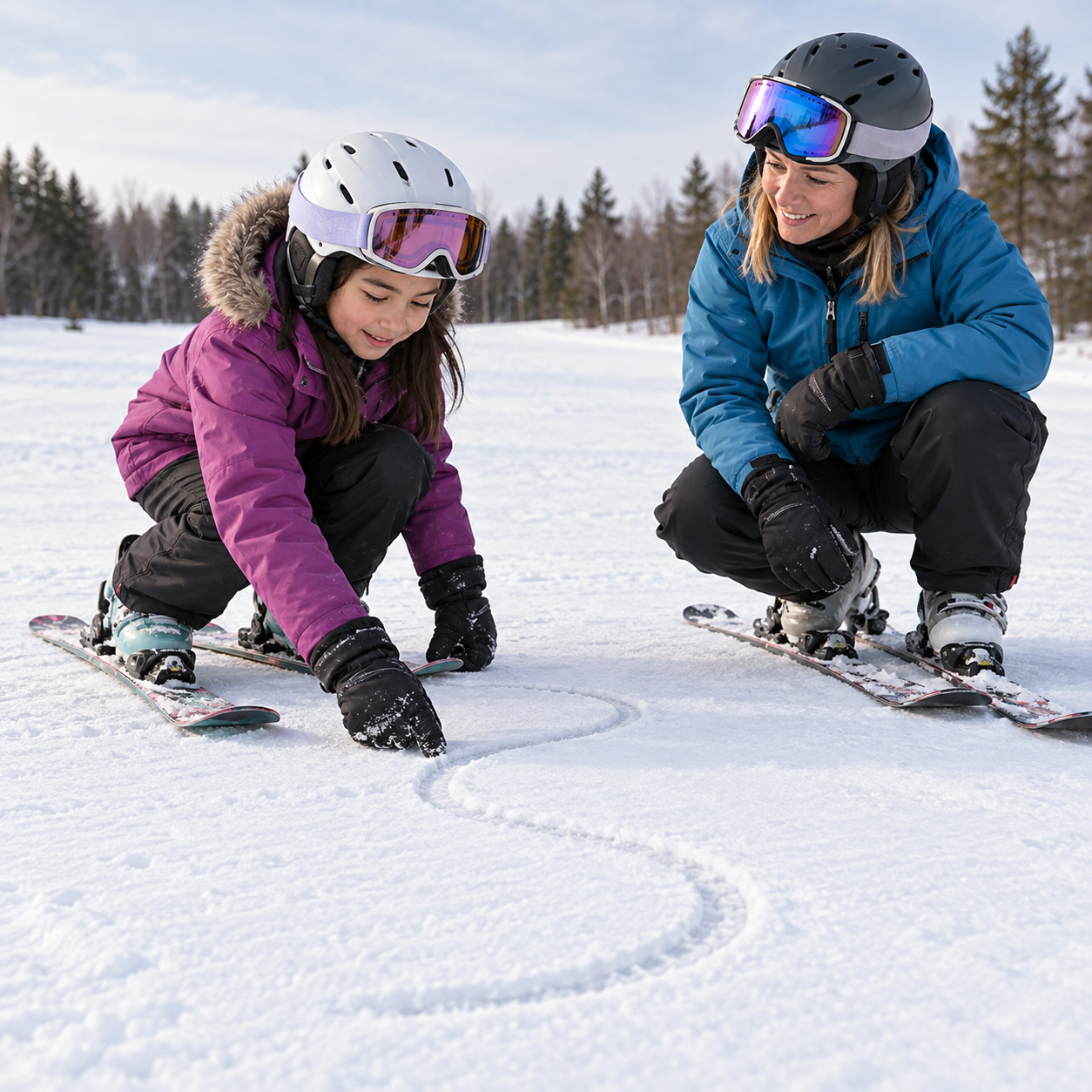 Ages 8–11 Ages 8–11Young Adventurers | Concrete operational stage: logical thinking develops, along with the ability to judge speed and distance, compare and order things, and understand observable cause and effect. Visualization becomes a useful learning tool. Complex, abstract explanations should still not be the main teaching approach. | Children begin connecting their movements with the results on snow. They increasingly understand a turn path drawn by the instructor and can imagine following it. As spatial awareness develops, they become better at judging distance and speed. They may ask, “Why could I stop there last time, but overshot it this time?” Observation, comparison and personal experience help them understand these concrete relationships. |
Emotional and moral development
Lawrence Kohlberg, Harvard psychologist: teaching insights from his theory of moral development. [1–2]
Understanding right and wrong
The early stages of moral development, described here from birth to around age six, begin with judging right and wrong in terms of rewards and avoiding punishment. Children then increasingly consider their own needs. “I’m tired,” for example, may seem like sufficient reason to stop skiing and sit in a snowbank. The instructor’s task is to help the child find a suitable solution.
At this stage, children take their understanding of “good” behaviour from parents, teachers and other authority figures, and may judge their actions by whether they please those adults. Reinforce appropriate behaviour when you see it, and respond to the child’s emotions responsibly and respectfully. Children who have attended preschool or daycare already know that adults other than their parents can guide them. For children who have never been away from family or friends, the idea of a snowsports instructor may be entirely new and difficult to understand.
Clever as a fox
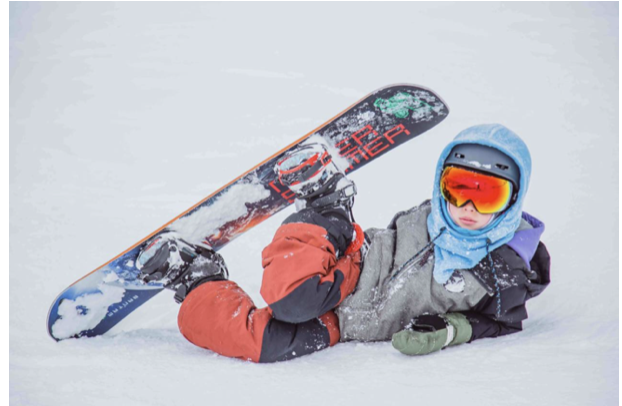
From approximately seven to eleven, children’s attitudes towards rules and authority change. They may become very confident in their own thinking. They might respect you because you are an adult without necessarily believing that you know more than they do.
These children are often highly self-assured and may see adult rules as something to challenge. Their judgments about right and wrong begin to shift from personal interests towards relationships, and approval from others becomes an important source of self-worth. Give them a degree of freedom while continuing to attend to their physical and emotional well-being and the goals of the lesson.
Giving children a say
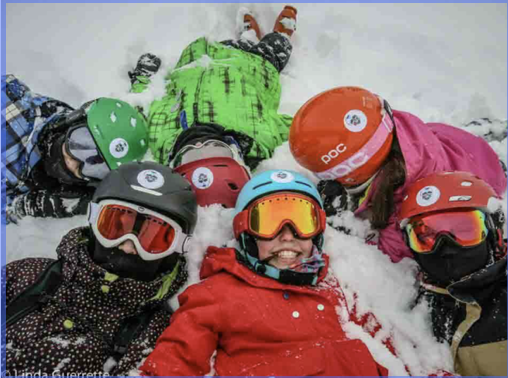
In the preteen years, peer pressure has a strong influence on behaviour. Ideas about right and wrong are shaped increasingly by social standards or the group’s decisions. The challenge for an instructor is to maintain positive group dynamics while respecting individual rights and beliefs. Involving children in setting rules is an effective approach.
Children in this group may feel ready for greater responsibility. Help them plan their activities by offering choices about lesson or practice goals and how to achieve them.
Physical development
Physical and motor development in children’s teaching resources from PSIA-AASI, NZSIA/SBINZ and CASI. [1–3]
Part 1: growth, strength, coordination and balance
| Area of development | Key developmental features | Implications for skiing and snowboarding |
|---|---|---|
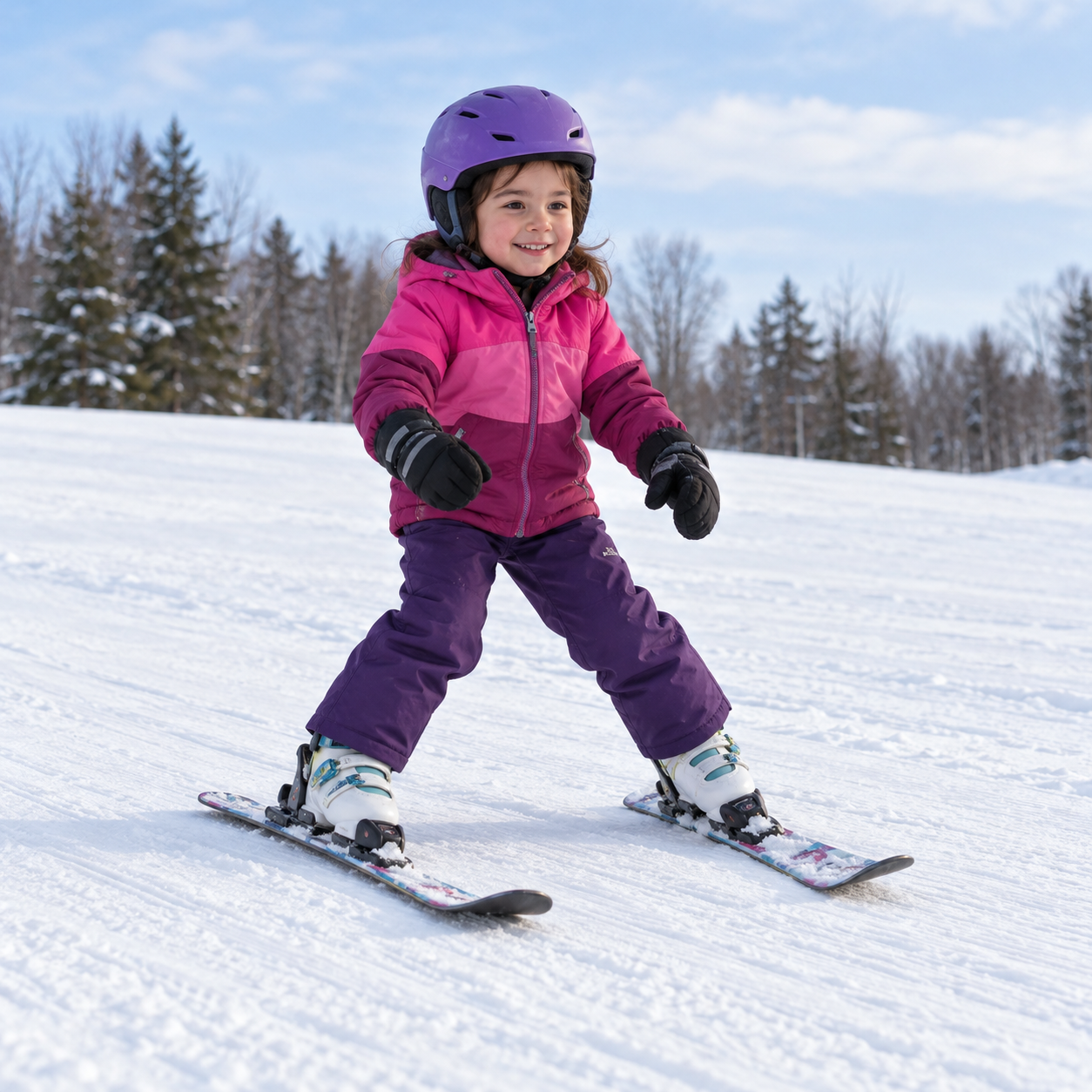 Strength Strength | Changes in body size, strength, muscle control and coordination have a profound effect on how children move and perform in skiing and snowboarding. For example, young children whose leg and ankle strength and coordination are still developing rely on skeletal alignment to control edge angles and resist the forces that build through a turn. | Their movements may look different from an adult’s, but they are making effective use of the body they have. As their bodies continue to develop, guide them towards more refined movement patterns. Observe how the skis or snowboard interact with the snow as well as the child’s movements; both help you assess performance. |
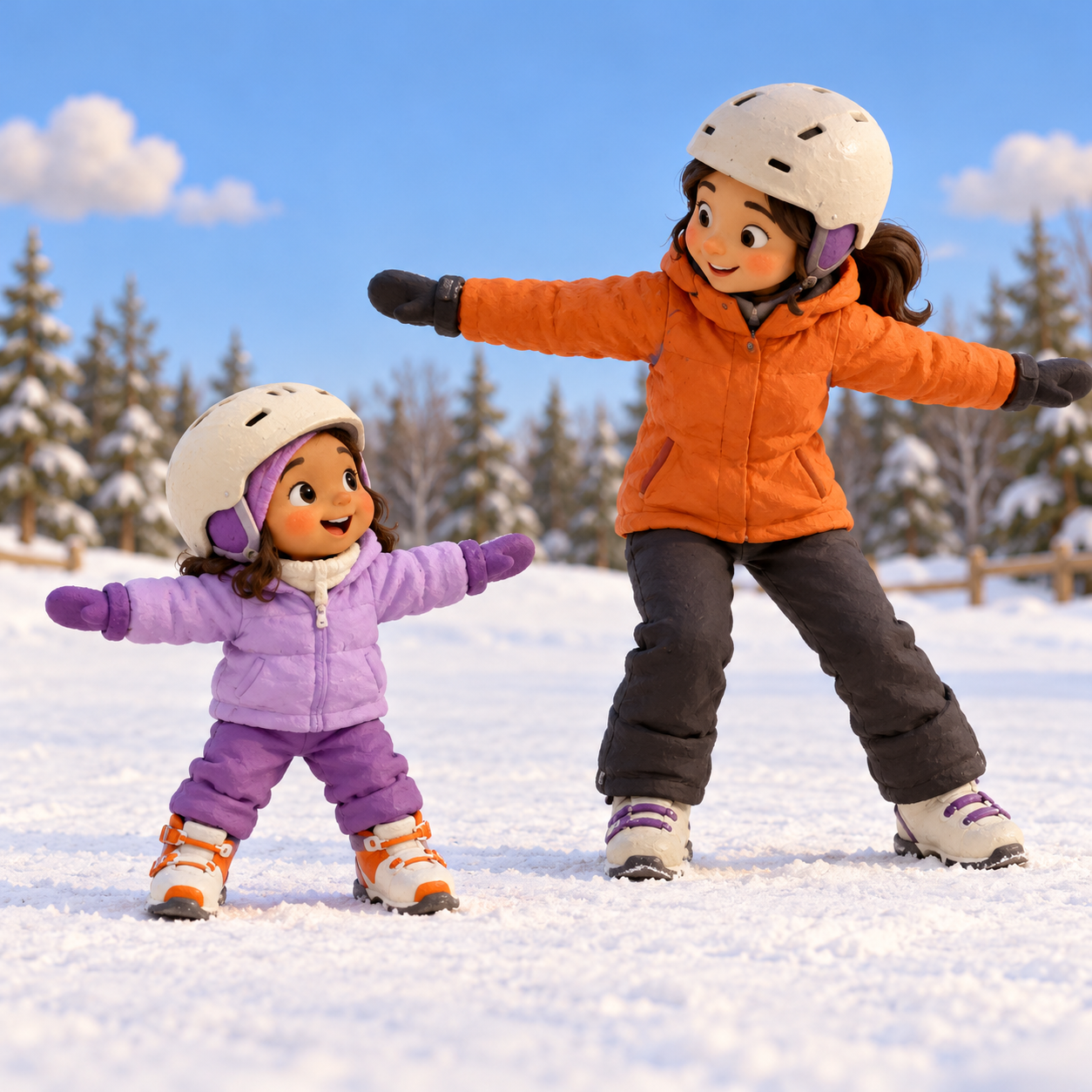 Coordination: initial stage Coordination: initial stage | Young children focus on how physical activity feels. Control of the head and trunk develops before control of the limbs. They sometimes use their arms and hands to imitate movements of the legs and feet. | Movements may happen in the wrong sequence or use more force than needed. Coordination gradually develops to include awareness of how the body moves through space. |
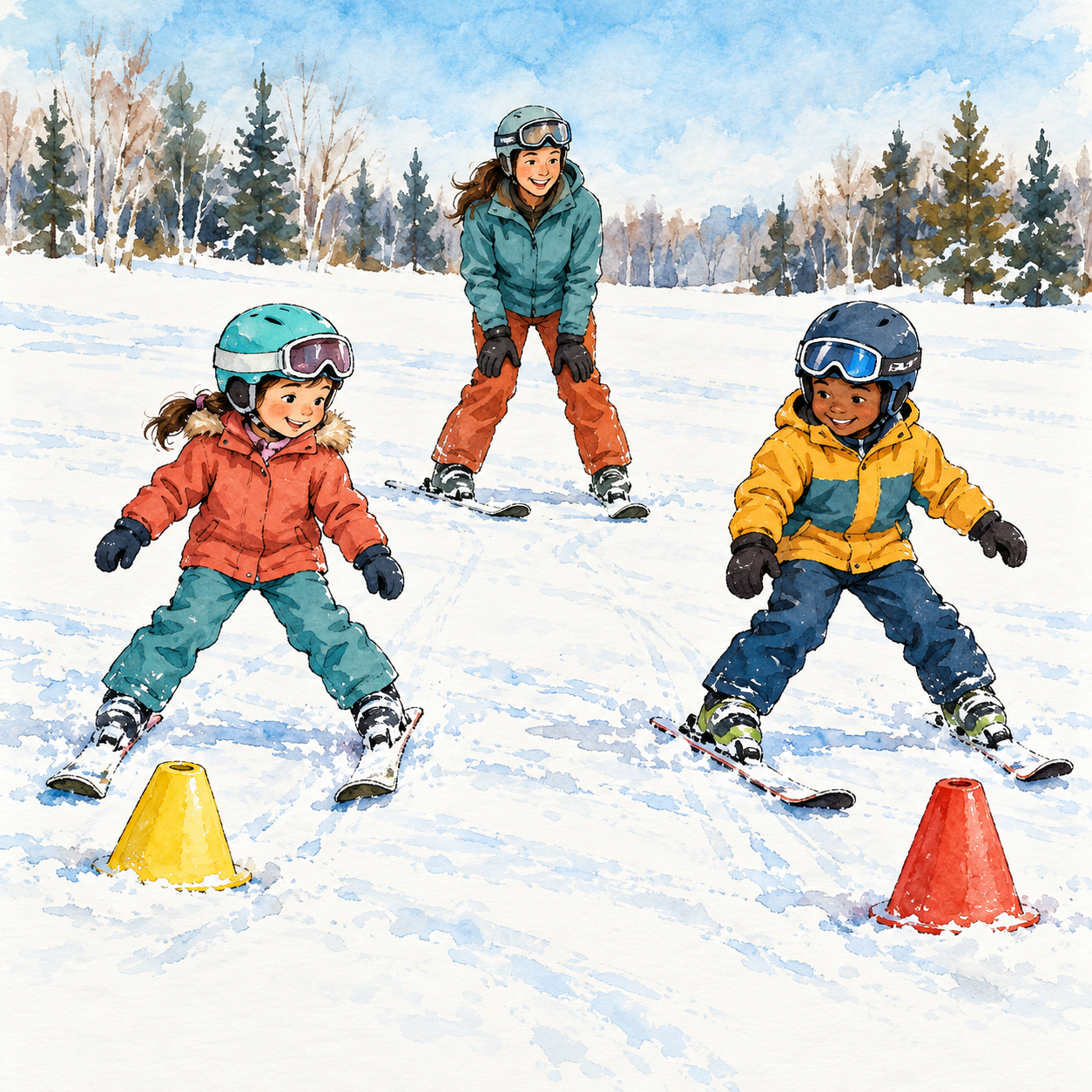 Coordination: elementary stage Coordination: elementary stage | Children aged approximately four to eight are developing spatial awareness. | You may notice young skiers and snowboarders bumping into one another when the group comes to a stop. |
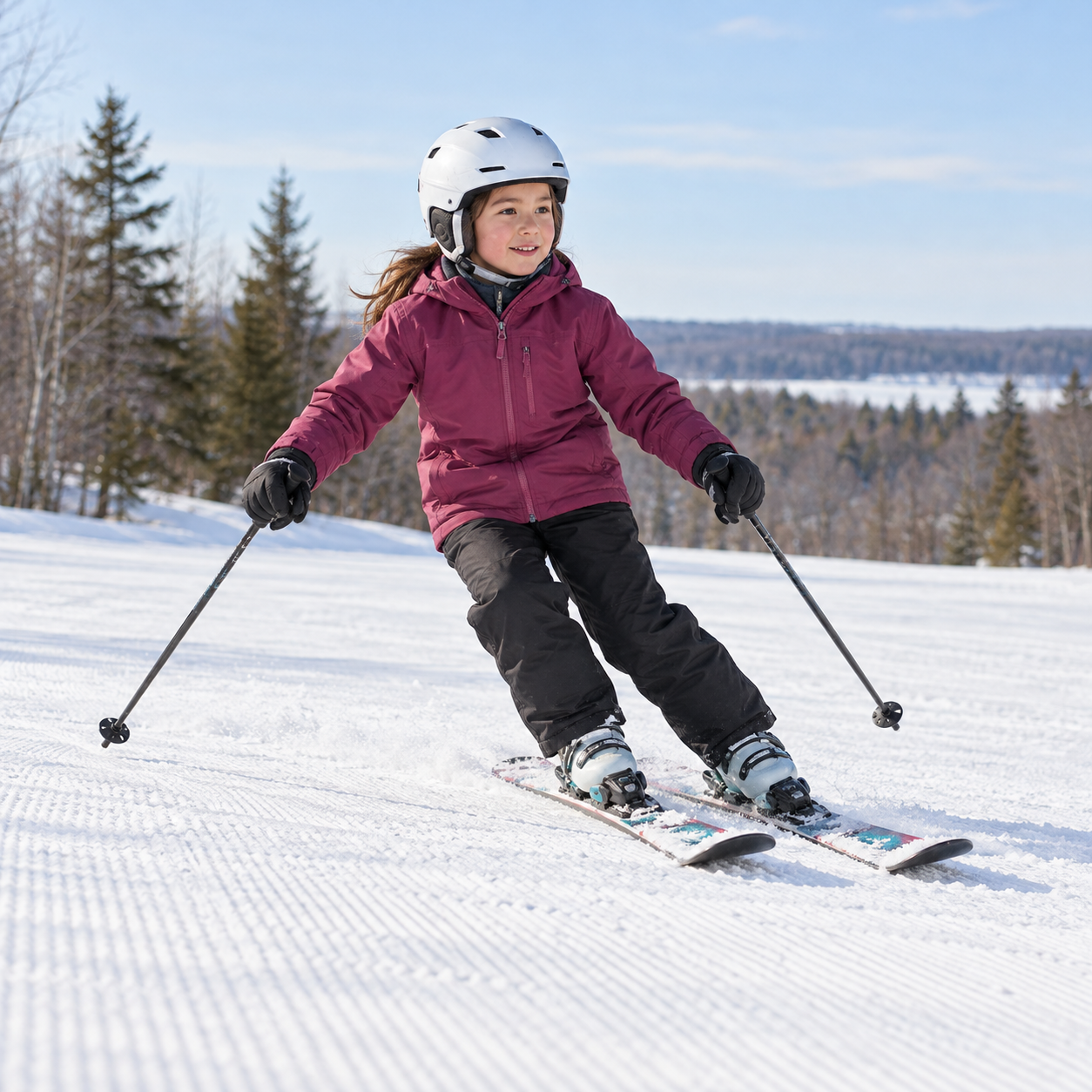 Coordination: mature stage Coordination: mature stage | From roughly eight to eleven, movements become more refined, efficient and mechanically effective. | During puberty and the accompanying growth spurt, coordination may temporarily decline. This can be frustrating. Encourage students to be patient and practise familiar skills that have become harder as their bodies change. |
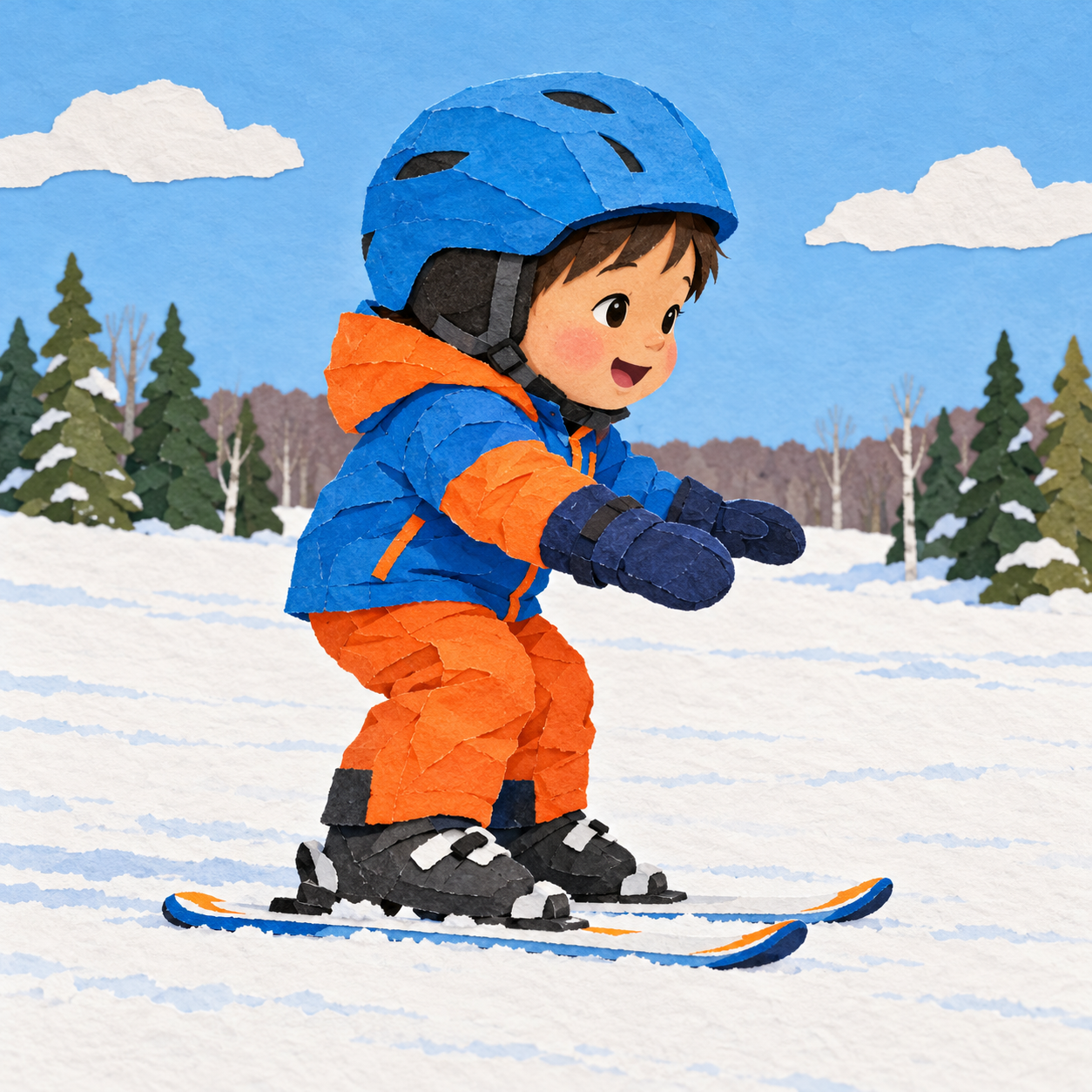 Centre of mass Centre of mass | Young children have proportionally larger heads and a slightly higher centre of mass than adults. By around age eight, the centre of mass is near the navel. Their stance may therefore appear farther back than an adult’s. | Their different proportions allow children to balance in positions that would be difficult for adults. A balanced stance centres the body’s mass over its base of support (BOS). Young children often move their bodies as a whole to generate momentum; gross motor control develops before fine motor control. |
Part 2: sensory development
In snowsports, the perceptual-motor system allows children to respond to stimuli in ways shaped by their experience and stage of development. Understanding this system helps explain why learning a new skill requires substantial time and practice.
Senses: receive information
- Eyes → vision
- Ears → hearing
- Joints, muscles and skin → kinesthetic awareness
Brain: process information
- Identify the stimulus and desired outcome
- Use memory to select a response
- Send instructions to the muscles to produce the response
Body: produce movement
Produce a movement response. Feedback about the response and its results returns to the brain through the senses.
Sensory feedback informs the next cycle of perception and response.
| Sense | Definition | Implications for skiing and snowboarding |
|---|---|---|
| Kinesthetic development | Kinesthetic awareness is the ability to sense body position through sensory input. Touch and physical sensation are fundamental to perception. Sensory receptors provide information about our position in relation to our surroundings; for example, receptors in the inner ear help establish and maintain balance. | Children from birth to age three spend much of their waking time learning through bodily sensations that provide feedback about their surroundings. This is one reason movement experiences in early childhood are so important. |
| Visual development | Visual interpretation allows a child to distinguish an object from its background by its clarity, colour, size and shape, and to judge its position relative to other objects and people. Spatial awareness is the ability to judge space and relative distances. | By the time young children begin snowsports, they can focus on nearby objects, but may still find it difficult to identify shapes at a distance. Choose nearby visual targets for lessons rather than distant ones. |
| Auditory development | Hearing is closely connected with spatial awareness and kinesthetic experience. The ear receives sound, the brain interprets it, and the child may then make a movement response. Sensitivity to sound supports both movement and the ability to distinguish one sound among many. | The ability to locate the source of a sound improves as hearing develops. This supports listening and understanding speech, as well as judging position and movement relative to objects. Make sure students can hear your voice over background noise, such as snow guns, skis or snowboards scraping on snow, and other people talking. |
References
- PSIA-AASI. Children’s education module and courses for new instructors [Chinese-language compilation; original course editions and dates not specified]. See the sections on CAP, cognition, multiple intelligences, affective and physical development, and the teaching cycle.
- SBINZ. (2018). Instructor Manual, Chinese edition. A/10–12: needs; A/19–21: multiple intelligences; A/54–60: teaching children. Also consulted: a four-page Chinese excerpt on multiple intelligences. A/ refers to the manual’s internal page numbering.
- CASI. Reference Guide, Appendix 1, PDF pp. 123–130; CASI. (2019). Kids Can Snowboard! Teaching Guide, PDF pp. 12–15; CSIA. Skier Development Program, PDF pp. 6–8. Where no date is given, the reference is to the version used in preparing the source document.
- Gardner, H. (n.d.). A Beginner’s Guide to the Theory of Multiple Intelligences (MI); Malpractices. MI Oasis. Introduction to MI · Common misuses
- Yogman, M. (2023, May 3). The power of play: How fun and games help children thrive. HealthyChildren.org, American Academy of Pediatrics. Read the article
- TXSNOW. (2026). Teaching Framework; KM Instructor Program Guide; Snow Buddy Discovery Program Guide; and related internal teaching materials.
- Immordino-Yang, M. H., & Damasio, A. (2007). We feel, therefore we learn: The relevance of affective and social neuroscience to education. Mind, Brain, and Education, 1(1), 3–10. DOI: 10.1111/j.1751-228X.2007.00004.x DOI
- Fredrickson, B. L. (2001). The role of positive emotions in positive psychology: The broaden-and-build theory of positive emotions. American Psychologist, 56(3), 218–226. DOI: 10.1037/0003-066X.56.3.218 DOI
- Zosh, J. M., Hopkins, E. J., Jensen, H., Liu, C., Neale, D., Hirsh-Pasek, K., Solis, S. L., & Whitebread, D. (2017). Learning through play: A review of the evidence [White paper]. The LEGO Foundation. See pp. 16–27 for the five characteristics of learning through play. Read the report